The United States and China have reached a tentative trade truce, agreeing on a framework to ease export controls after two days of intense talks in London on June 9, 2025. The deal aims to defuse escalating tensions that have disrupted global manufacturing, particularly over rare earth minerals and advanced technology. But is this a genuine step toward stability or a calculated compromise?
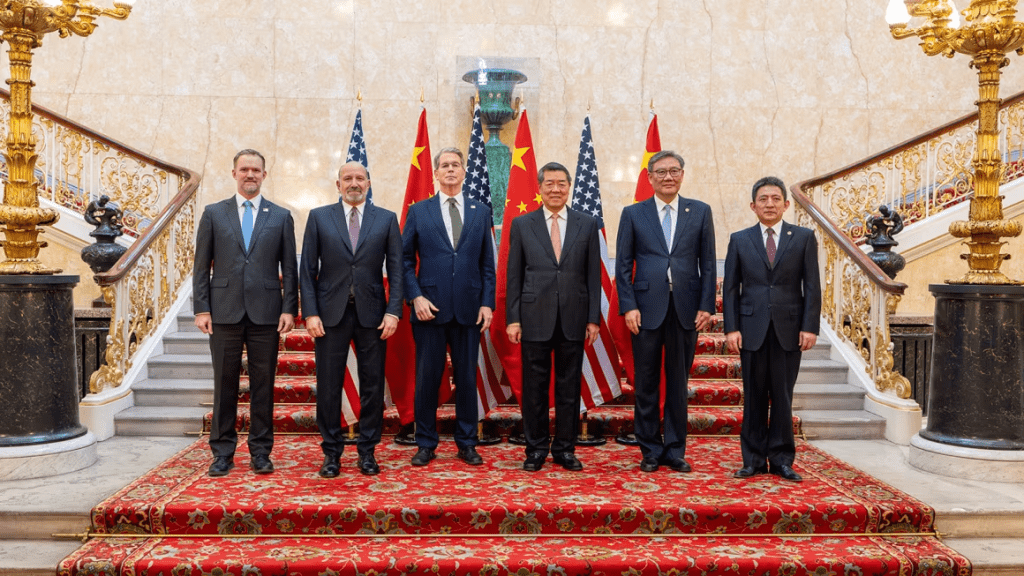
Chinese trade negotiator Li Chenggang announced that both sides agreed “in principle” to implement a consensus from last month’s Geneva talks and a recent call between leaders. The framework addresses China’s restrictions on rare earth exports—vital for industries like electronics and defense—while the US will ease bans on chip design software and certain microchips. President Donald Trump, in a characteristically bold Truth Social post, declared, “OUR DEAL WITH CHINA IS DONE,” emphasizing that China will supply “full magnets and necessary rare earths.” He also noted that Chinese students can again attend US universities, reversing a prior visa crackdown.
US Commerce Secretary Howard Lutnick clarified that the agreement hinges on approval from both nations’ leaders. “If approved, we’ll implement the framework,” he told Reuters, highlighting that China’s rare earth export limits will be resolved as a “fundamental” part. This follows Beijing’s April licensing rules, which slashed rare earth shipments, rattling global supply chains. In retaliation, the US restricted tech sales to China, citing Beijing’s failure to honor Geneva commitments. The new deal aims to unwind these measures “in a balanced way,” as Trump put it.
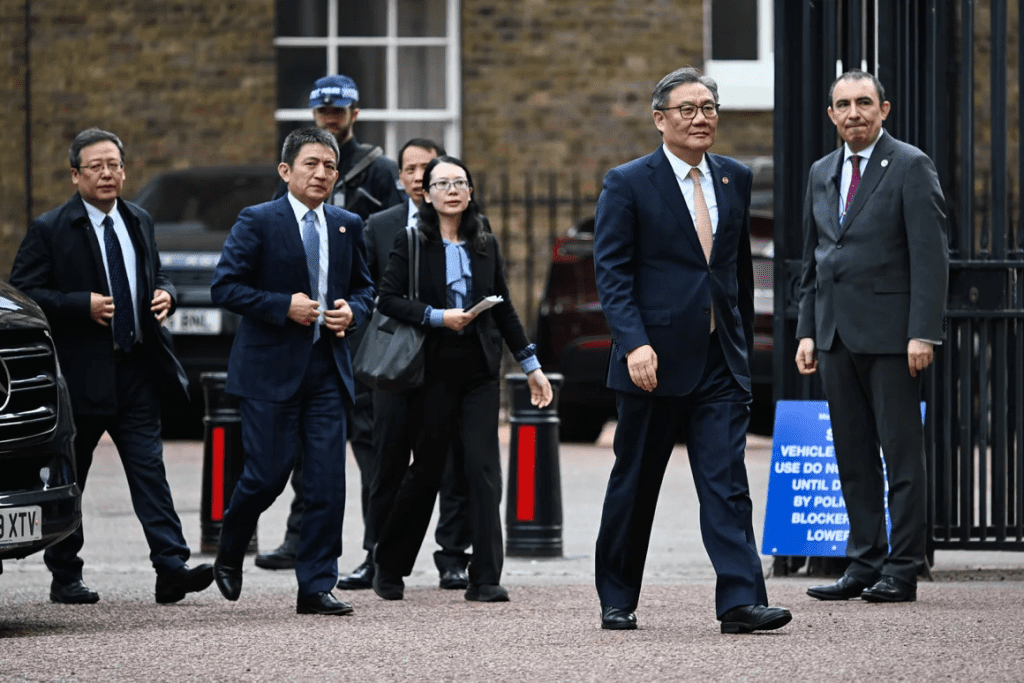
The talks, held at London’s Lancaster House, underscore the critical role of export controls in the US-China trade war. China’s near-monopoly on rare earths gives it significant leverage, while the US wields power over advanced chip technology. Kevin Hassett, National Economic Council director, told CNBC that the US might loosen restrictions on some microchips critical to China’s manufacturing but will maintain bans on high-end Nvidia chips for AI systems. This balance reflects both sides’ cautious steps to avoid a full-blown trade war.
China’s Vice Premier He Lifeng stressed mutual good faith, warning, “There are no winners in a trade war.” Yet, China’s 34.5% drop in May exports to the US shows the stakes. Trump remains optimistic, posting, “President XI and I will open up China to American Trade—a great WIN!” European Central Bank president Christine Lagarde, however, cautioned against coercive trade policies, noting they invite retaliation and mutual harm.
The deal’s success depends on implementation. Will it stabilize trade or merely delay conflict? With both nations flexing economic muscle, the world watches closely.