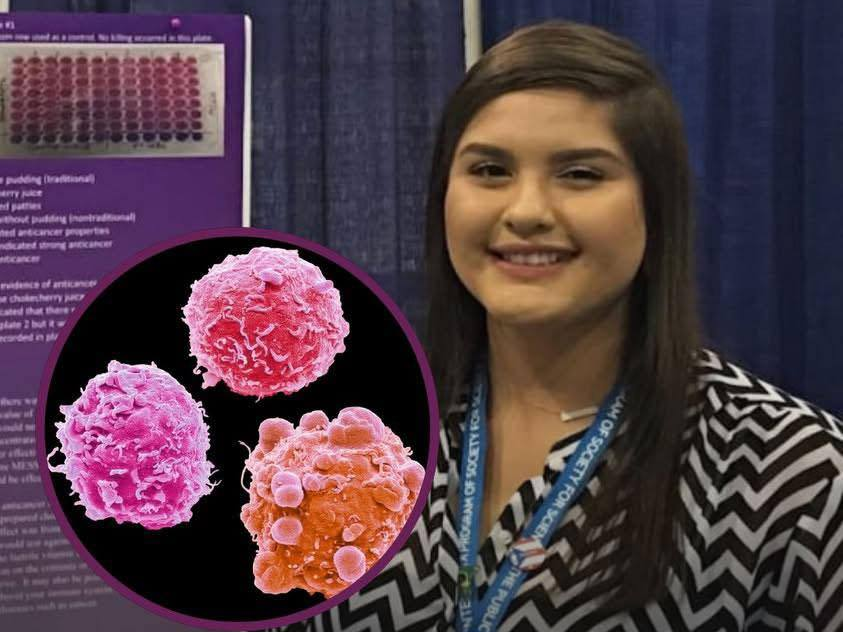
As of 04:08 PM +07 on Friday, June 13, 2025, an inspiring breakthrough in cancer research has emerged from an unlikely source: a high school student from the Shoshone and Paiute Tribes. Destany “Sky” Pete, a determined young scientist, clinched her regional science fair title by demonstrating that chokeberry pudding—a traditional Native American dish—can kill cancer cells in laboratory settings. Drawing inspiration from tribal elders who emphasized the value of ancestral foods, Pete experimented with chokeberry extracts and discovered their potential to inhibit cancer cell growth. This promising finding, presented with rigor and cultural pride, could pave the way for innovative cancer treatments, blending indigenous knowledge with modern science.

Meanwhile, a separate health concern has surfaced regarding lead contamination in cinnamon powders. Lead, a toxic heavy metal, can accumulate in cinnamon trees grown in contaminated soil, rendering some products hazardous. Consumer Reports recently analyzed 36 cinnamon powders, revealing that 12 brands contained elevated lead levels, posing significant risks, particularly to children and pregnant individuals who are more vulnerable to its effects. Symptoms of lead exposure include developmental delays, neurological damage, and other serious health issues. However, the study also identified six brands with negligible or no lead, offering safer alternatives for consumers.
Pete’s research began as a personal project rooted in her heritage. Guided by elders’ wisdom, she hypothesized that chokeberries, rich in antioxidants like anthocyanins, might have medicinal properties. Her experiments confirmed that chokeberry extracts disrupted cancer cell proliferation in vitro, a result that has caught the attention of local scientists. While further studies are needed to translate this into clinical treatments, her work highlights the untapped potential of traditional foods in addressing modern diseases.

The cinnamon lead issue, however, underscores a growing public health challenge. The contaminated products were sourced from various markets, with lead levels exceeding safety thresholds set by the FDA. Experts recommend that consumers check product labels, opt for brands with third-party testing, and limit intake of high-risk cinnamon until more comprehensive regulations are in place. Advocacy groups are now pressing for stricter oversight of spice imports to protect vulnerable populations.
These dual narratives—Pete’s hopeful innovation and the alarming lead contamination—reflect the complex interplay of tradition, science, and safety in today’s world. As Pete’s discovery gains traction, and as consumers navigate the cinnamon market with caution, both stories underscore the need for informed choices and further research to safeguard health and advance medical frontiers.