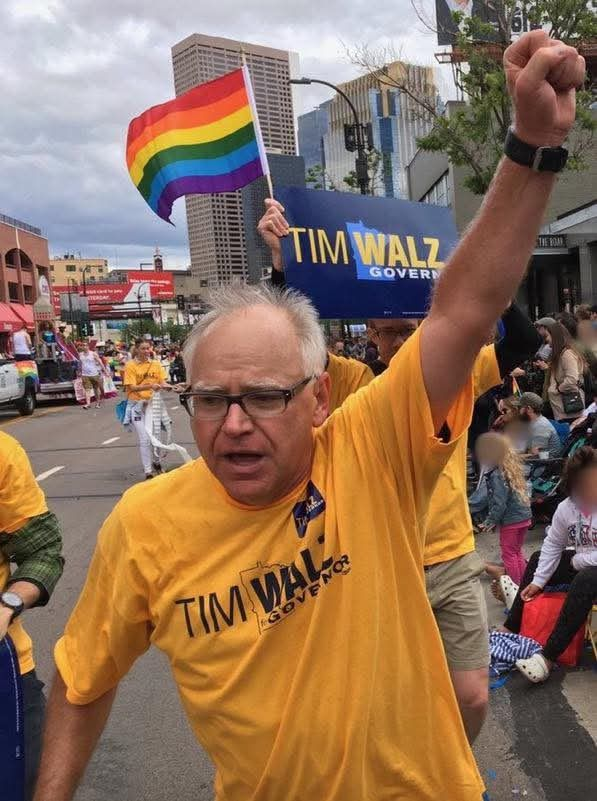
The “No Kings” movement, initially characterized by its largely peaceful demonstrations against various perceived injustices, took a contentious turn this past Saturday as incidents of violence and confrontation erupted across major US cities. What began as a collective outcry for change transformed, in several instances, into scenes of chaos, prompting a robust response from law enforcement and raising questions about the evolving nature of public dissent.
In Seattle, a city no stranger to impassioned demonstrations, the evening descended into disorder outside the federal building on 2nd Avenue. Following a day where tens of thousands rallied peacefully at Cal Anderson Park and marched to the Seattle Center, a smaller contingent ignited a bonfire and launched fireworks. This stark deviation from the day’s earlier tranquility necessitated police intervention, culminating in a standoff that persisted late into the night. The incident serves as a stark reminder of how quickly the atmosphere of a protest can shift, from a unified voice to isolated acts of defiance that overshadow the initial message.
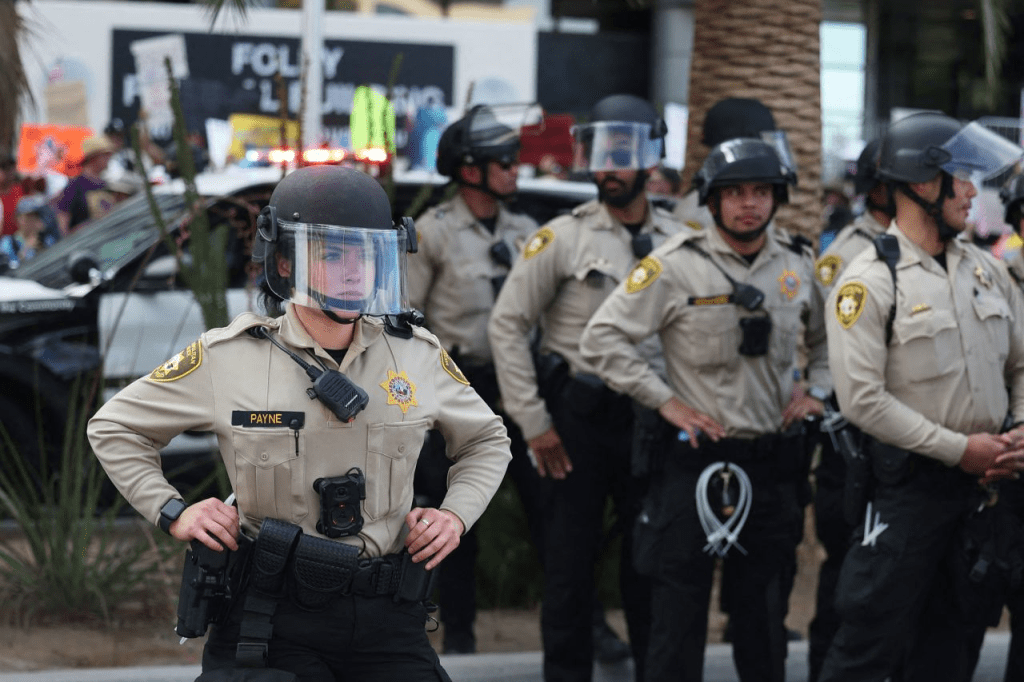
Elsewhere, the narrative of escalating tensions was similarly evident. Las Vegas witnessed the arrest of fifteen individuals, including minors, in connection with “No Kings” protests. The charges, including felony assault with a deadly weapon, underscore the dangerous elements that can infiltrate even pre-planned and initially peaceful gatherings. While a morning demonstration on the Strip remained calm, the afternoon saw skirmishes in front of the federal courthouse, indicating a pattern of evening confrontations following daytime tranquility.
Perhaps most alarmingly, Salt Lake City became the site of a shooting during a “No Kings” march, resulting in critical injuries to at least one person. The swift police response and the apprehension of three individuals involved highlight the profound risks associated with large public gatherings where emotions run high. This incident, while an anomaly given the overall peaceful nature of the rally, casts a long shadow over the movement, forcing a re-evaluation of security protocols and the potential for external elements to exploit such events.
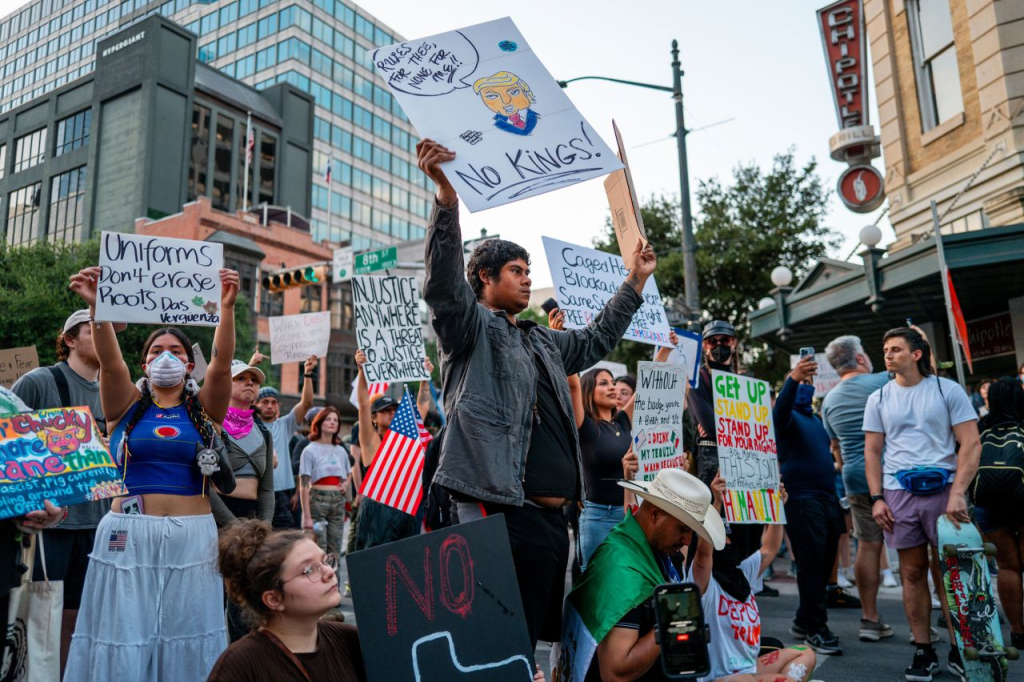
Austin also experienced its share of unrest. Despite police characterizations of the “No Kings” demonstration as largely peaceful, the presence of “agitators” eventually led to the deployment of tear gas and arrests. More concerning was the “credible threat” made against state legislators, necessitating the evacuation of the State Capitol. This raises critical questions about the security of public officials and the potential for intimidation to undermine democratic processes. The distinction between legitimate protest and targeted threats becomes blurred, creating a volatile environment.
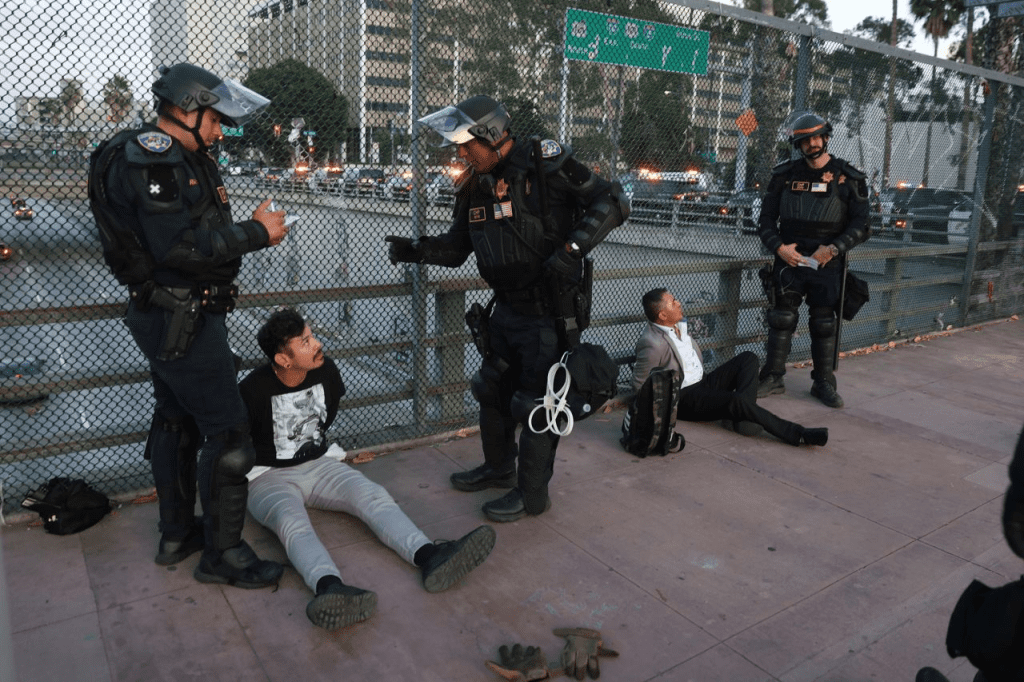
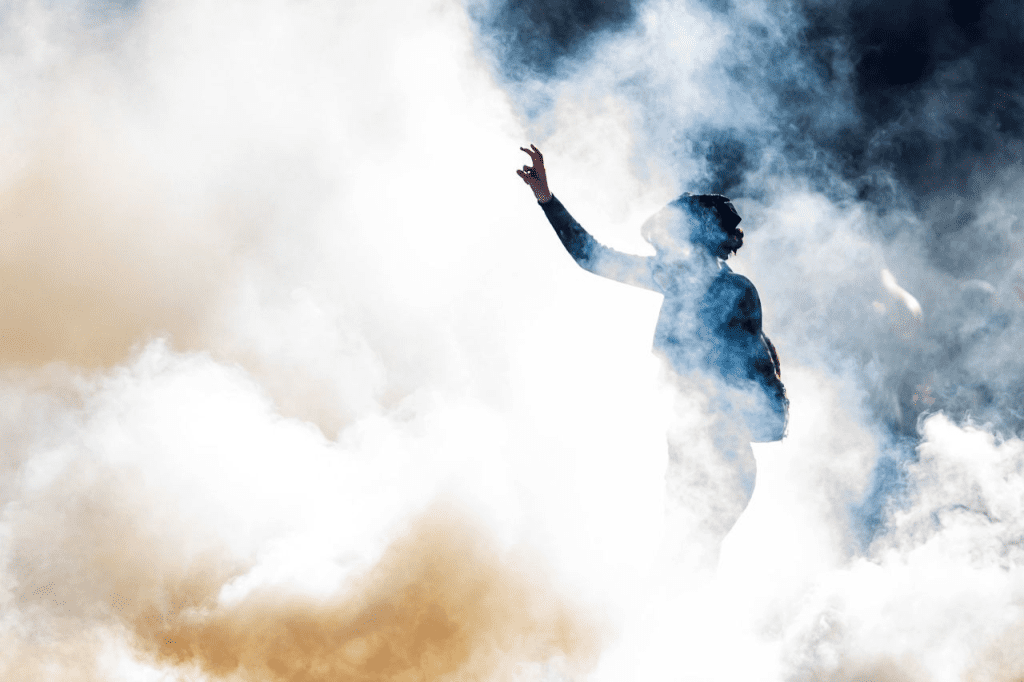
Los Angeles, a focal point for the broader “No Kings” movement and pre-existing immigration protests, faced significant challenges. A city-wide curfew, already in place, was rigorously enforced as police initiated a “slow, steady push” to disperse remaining demonstrators. The evening saw officers using chemical irritants in response to protesters throwing objects, including concrete, rocks, bottles, and commercial-grade fireworks. The sheer volume of participants, estimated at over 20,000, combined with the staggering number of related arrests (523 in the preceding week), paints a picture of a city grappling with widespread unrest and the delicate balance between upholding free speech and maintaining public order.

Further north, Portland, Oregon, declared a riot near an ICE facility, escalating a “No Kings” protest from an unlawful assembly to a full-blown riot. This declaration, accompanied by warnings of citations, arrests, and the potential use of force, signals a zero-tolerance approach to what authorities deemed uncontrollable behavior. The incident, set against the backdrop of ongoing tensions surrounding immigration policies, further complicates the narrative of peaceful dissent.
Even New York City, which saw an estimated 50,000 participants in its “No Kings” demonstrations, recorded eight arrests. While a relatively low number given the scale, it nonetheless underscores that no major urban center was entirely immune to the friction that can arise when large crowds gather.
Finally, a particularly egregious incident in Culpeper, Virginia, where a man intentionally drove his vehicle into a crowd at a “No Kings” rally, serves as a chilling reminder of the extremist elements that can be drawn to and exploit such events. While no serious injuries were reported, the act itself is a disturbing escalation, raising questions about vehicle security at protests and the potential for deliberate acts of violence.
In summary, while the “No Kings” movement largely aimed for peaceful expression, Saturday’s events across the United States revealed a troubling undercurrent of violence and confrontation. These incidents not only challenge the public perception of the protests but also present significant dilemmas for law enforcement agencies tasked with balancing civil liberties against public safety. The coming days will undoubtedly see continued debate over the strategies employed by both protesters and authorities as the nation grapples with these complex and often volatile demonstrations.