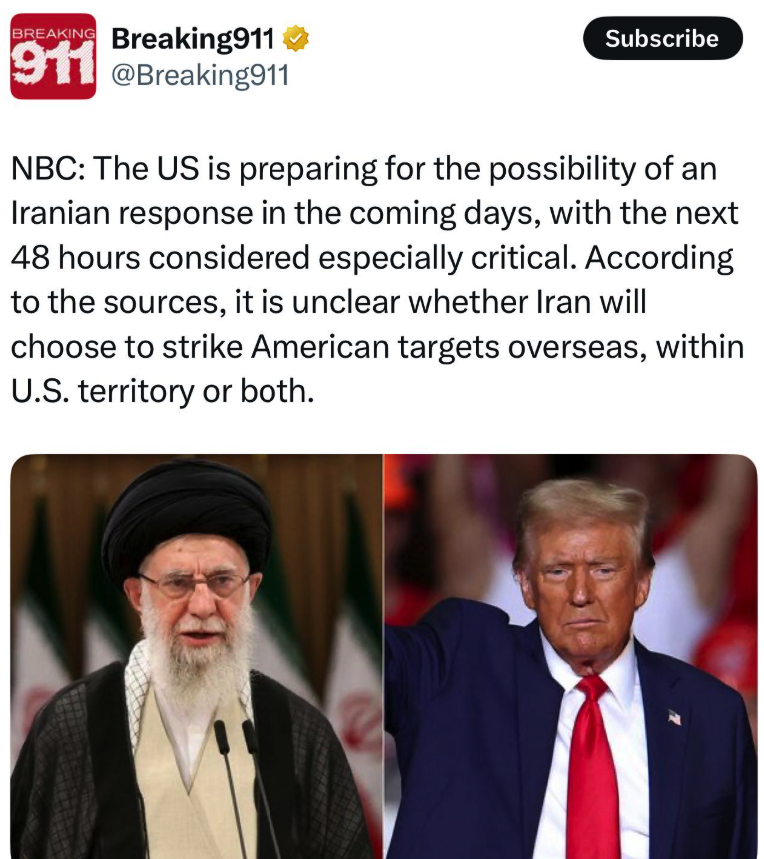
Washington D.C. – June 22, 2025 – Tensions in the Middle East continue to mount as the United States urgently prepares for potential Iranian retaliation following its “highly successful” airstrikes on three of Iran’s nuclear facilities. According to intelligence sources, the next 48 hours are considered a particularly critical period, with a high likelihood of retaliatory attacks from Tehran.
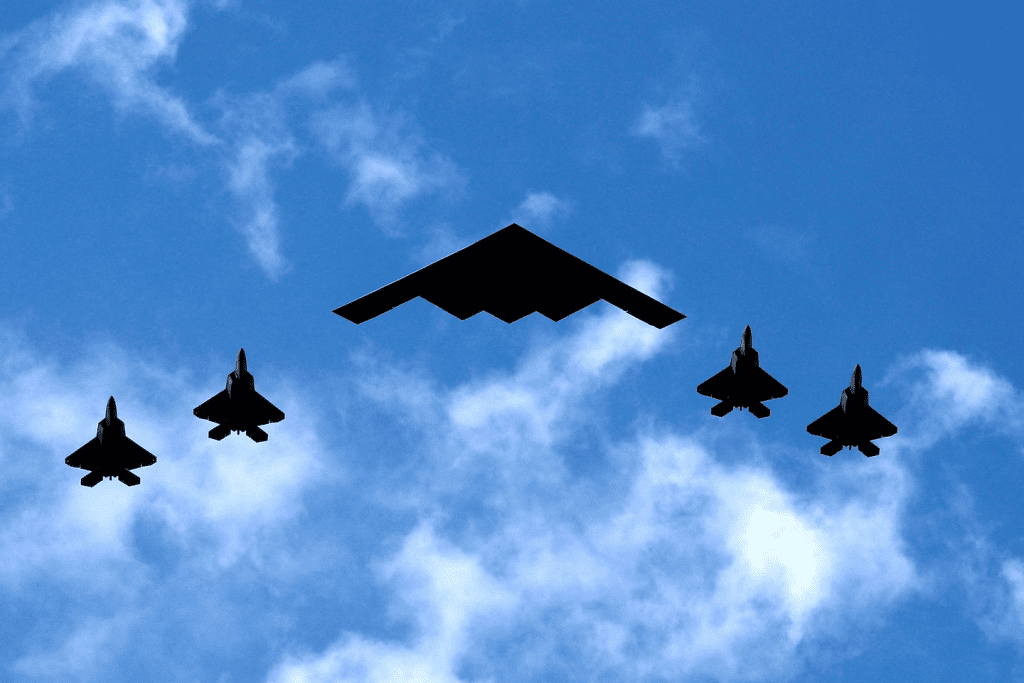
The airstrikes carried out by the US on June 21, 2025 (local time) targeting Iran’s Fordow, Natanz, and Esfahan nuclear sites were assessed by the Pentagon as “very successful” in neutralizing Tehran’s nuclear capabilities. However, this action has ignited strong threats from Iran, with Iranian state television declaring “every American is now a target” and that Iran will “finish” what the US has “started.”
According to NBC, the United States is rushing to implement defensive measures and escalate security alerts globally. The biggest concern now is the form and scope of Iran’s retaliation. Intelligence sources indicate it remains unclear whether Iran will choose to strike American targets overseas, conduct attacks within US territory, or both.
Initial analysis from security experts suggests Iran could employ several methods for retaliation:
- Attacks on US bases and forces in the region: This is considered the most probable scenario, carried out through proxies such as Houthi rebels in Yemen or Iran-aligned militias in Iraq and Syria. Attacks could include missiles, drones, or acts of terrorism.
- Blockade of the Strait of Hormuz: Iran has the capability to cause severe disruptions to this critical oil shipping lane, triggering a major shock to global energy markets and harming the world economy.
- Cyberattacks: Iran possesses significant cyberattack capabilities and could target critical US infrastructure or that of its allies.
- Direct attacks on US soil: While less likely, this remains the most concerning scenario. Iran could seek to use covert means or sleeper cells to carry out terrorist or sabotage attacks within the United States.
The Pentagon has repositioned aircraft carriers and bolstered defensive forces in the Middle East, while also urging US citizens abroad to maintain heightened vigilance. US intelligence agencies are working at full capacity to gather information and assess potential threats.
The situation is evolving rapidly and unpredictably. The international community is urging all parties to exercise maximum restraint to avoid a larger-scale conflict, which could have devastating consequences for both the region and the world.