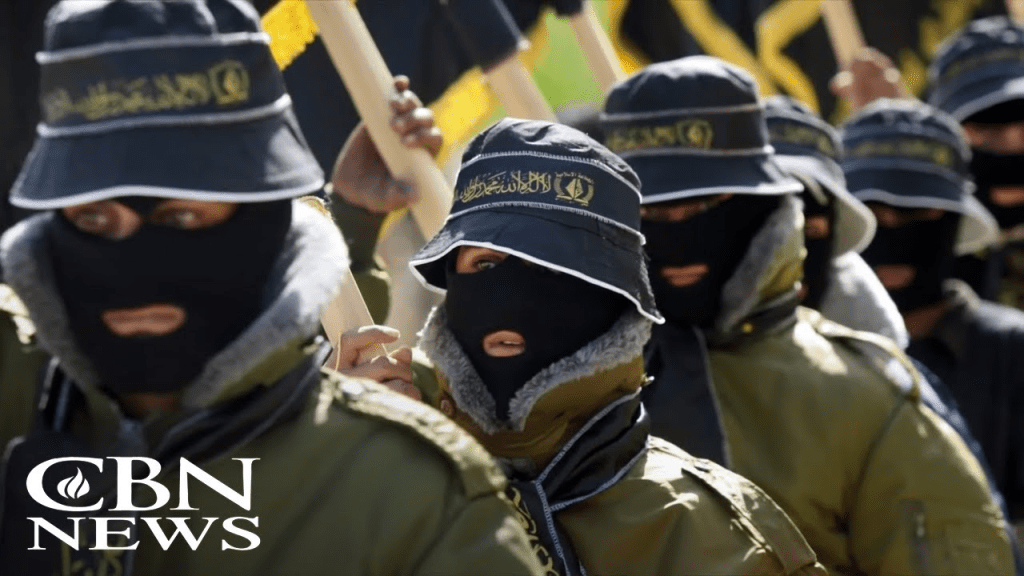
The issue of Iranian “sleeper cells” in the USA is a recurring concern among security experts and former intelligence officials. While specific, publicly confirmed instances of active, operational Iranian “sleeper cells” carrying out attacks in the US are not widely reported by official government sources, the general sentiment from experts is that Iran, as a state sponsor of terrorism, has the capability and potential will to conduct asymmetric attacks, including through covert networks.
Here’s a breakdown of what the available information suggests:
- Concerns from Experts: Former US Treasury officials and terror finance analysts, like Jonathan Schanzer, have repeatedly expressed concerns about Iran’s potential to activate “sleeper cells” within the US, especially in the context of heightened tensions or military actions against Iran. They suggest Iran could use non-conventional means of retaliation, including lone-wolf operations and dormant terror networks.
- Historical Context and Allegations: US law enforcement and intelligence officials have been concerned about Iran’s ability to direct or inspire attacks within the United States for years. There have been instances of individuals being charged with spying on Iranian opposition groups within the US, suggesting an Iranian footprint.
- Focus on Proxies: Iran is known to support groups like Hezbollah and Hamas, which are designated terrorist organizations by the US. While direct Iranian “sleeper cells” are the focus of concern, there’s also a possibility of these proxy groups or individuals inspired by them acting on Iran’s behalf.
- Trump Administration Monitoring: Reports indicate that during the Trump administration, monitoring of possible Iran-backed operatives in the United States was boosted, especially after the assassination of Iranian General Qasem Soleimani.
- Plot to Assassinate President Trump: There were public charges against an Iranian national for allegedly plotting the assassination of then-President Donald Trump, highlighting the extent to which Iran might go to retaliate against perceived enemies.
- Current Threat Landscape: The broader US threat environment remains heightened, with concerns about both domestic violent extremism and foreign terrorist organizations. While domestic threats are currently assessed as greater, the potential for state-sponsored attacks, including from Iran, is a persistent concern.
Should you be worried?
It’s important to differentiate between general concern and imminent, specific threats. While intelligence and security agencies continuously monitor for and address potential threats, the existence of “sleeper cells” implies a covert nature, making them difficult to detect until activated.
Rather than individual worry, the focus is on the continuous efforts of US intelligence and law enforcement agencies to counter such threats. They work to identify, investigate, and disrupt any potential plots.
In summary, while there’s a recognized potential and ongoing concern among experts about Iranian “sleeper cells” in the USA, and historical instances of Iranian covert activities, there isn’t widespread public information about active, confirmed operational cells currently posing an immediate, specific threat to the general public. The emphasis is on vigilance by authorities and the public reporting any suspicious activity.