
Washington D.C. – In a recent development that has sent ripples across the international community, the United States has conducted a series of targeted airstrikes within Iran. U.S. officials assert that these actions are a crucial measure to safeguard American interests and global security from Iran’s escalating nuclear ambitions, emphasizing that these strikes do not constitute a declaration of war, nor do they involve any ground troop deployment. This stance aligns with the broader U.S. foreign policy objective of deterring nuclear proliferation and maintaining stability in the Middle East, without escalating into a full-scale military conflict.
The Pentagon released a statement clarifying the nature of the operations, indicating that the airstrikes were precisely aimed at facilities directly linked to Iran’s nuclear program. These targets reportedly include clandestine enrichment sites and missile development centers that intelligence agencies have identified as posing an immediate threat. “These are defensive actions, taken to degrade Iran’s capacity to develop nuclear weapons and ensure the safety of our allies and our homeland,” a senior defense official stated during a press briefing, speaking on condition of anonymity. “We have no intention of engaging in a broader conflict with Iran. Our objective is to neutralize the nuclear threat, not to initiate a war.”
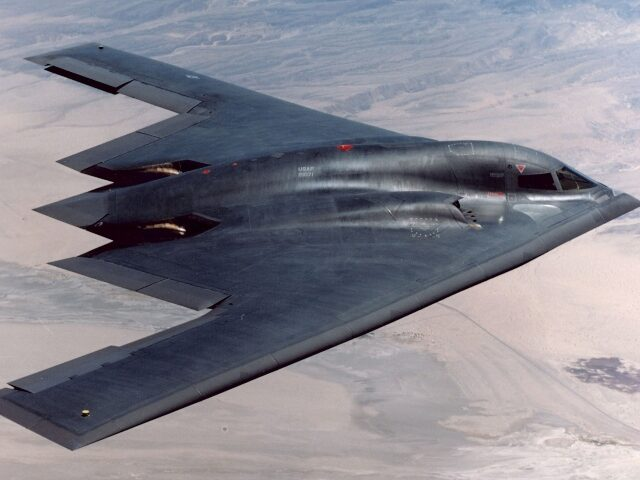
Crucially, U.S. officials have repeatedly underscored that the operations are exclusively air-based, utilizing precision-guided munitions. There are “no boots on the ground,” meaning no American ground forces have been deployed into Iranian territory. This distinction is vital in framing the intervention as a limited, preemptive strike rather than an invasion or an act that would lead to prolonged military engagement. The administration aims to convey a message of resolute deterrence, indicating a willingness to act decisively against perceived threats while carefully managing the risk of wider escalation.
The international response has been mixed. While some allies have expressed support for the U.S. actions, viewing them as a necessary step to prevent nuclear proliferation, other nations have voiced concerns about regional instability and the potential for unintended consequences. Diplomatic efforts are reportedly underway to de-escalate tensions and clarify the U.S. objectives to apprehensive parties. The United States maintains that its actions are consistent with international law, particularly concerning self-defense against emergent threats.

This latest move comes amidst growing international pressure on Iran regarding its nuclear program, which many believe has advanced beyond peaceful purposes. Despite Iran’s consistent assertions that its nuclear activities are solely for civilian energy production, reports from the International Atomic Energy Agency (IAEA) have frequently highlighted discrepancies and lack of transparency, fueling international suspicions. The U.S. administration argues that diplomatic avenues have been exhausted or proven ineffective, necessitating a more direct approach to curb Iran’s nuclear progress.
The coming days will undoubtedly reveal the full impact of these airstrikes on Iran’s nuclear capabilities and the broader geopolitical landscape. The U.S. government remains firm in its position that these are defensive measures, carefully calibrated to protect global security from a significant nuclear threat, without crossing the threshold into a full-blown war or committing ground forces. The world watches closely, as the balance between deterrence and escalation hangs precariously in the region.