
In the sprawling economic landscape of the United States, a narrative often whispered in hushed tones, yet increasingly amplified by everyday struggles, posits a stark reality: “The rich get richer, the lazy live for free, and the middle class pays for it all.” This sentiment, while arguably a simplification of complex economic forces, resonates deeply with many Americans, particularly those navigating the precarious financial tightrope of the middle class. It paints a picture of a nation where wealth accumulation at the top seems boundless, social safety nets are perceived as abused, and the burden of societal costs disproportionately falls on the shoulders of the hardworking majority.
The concept of “the rich getting richer” is statistically undeniable. Over the past few decades, wealth inequality in the U.S. has grown significantly. Data from various economic think tanks consistently show that the top 1% of earners have seen their wealth skyrocket, fueled by a combination of market gains, tax policies that favor capital over labor, and globalization. Critics argue that this accumulation is not always a result of groundbreaking innovation or exceptional productivity but often a byproduct of a system designed to benefit those already at the apex. Tax loopholes, offshore accounts, and favorable regulations allow the wealthiest to minimize their contributions, further exacerbating the perception of an unfair system. The sheer scale of executive compensation, stock buybacks, and inherited wealth often stands in stark contrast to the stagnant wages experienced by many.
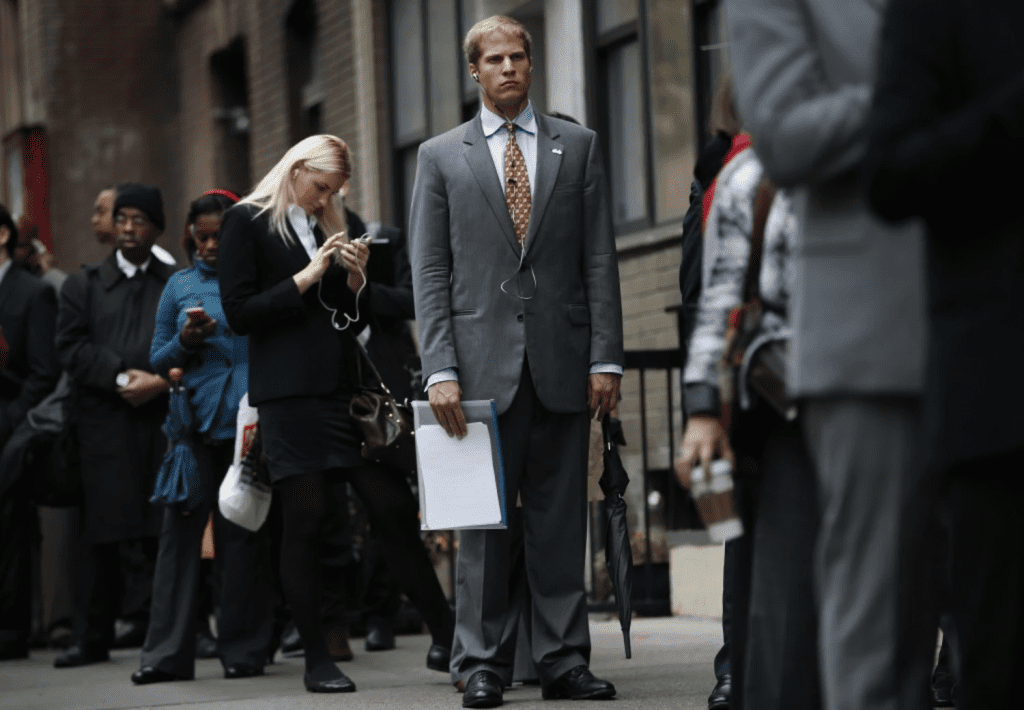
Conversely, the assertion that “the lazy live for free” touches upon the contentious issue of welfare programs and social assistance. While these programs are ostensibly designed to provide a safety net for the most vulnerable, they frequently become targets of public frustration. Stories, often anecdotal and sometimes exaggerated, circulate about individuals allegedly exploiting the system, receiving benefits without contributing meaningfully to society. This narrative, whether fully accurate or not, fuels resentment among those who work diligently and feel their tax dollars are supporting idleness. The debate over welfare reform often pits compassion against fiscal responsibility, with many in the middle class feeling that their hard-earned money is being mismanaged or outright squandered on those unwilling to work. The perceived ease with which some access public assistance, coupled with the difficulty faced by others in securing stable employment, further intensifies this sentiment.
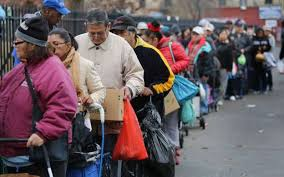
The culmination of these two phenomena, according to this narrative, is the crushing burden on the middle class. Often defined as those earning between two-thirds and double the median household income, this group forms the backbone of the American economy. They are the primary taxpayers, contributing significantly to federal, state, and local coffers through income tax, property tax, and sales tax. They fund the very social programs that others are accused of exploiting, and they bear the brunt of rising costs in housing, healthcare, and education, often without the significant assets of the wealthy or the direct assistance available to the impoverished. Many middle-class families find themselves in a perpetual struggle, caught between rising expenses and stagnant wages, with little room for savings or upward mobility. They pay their fair share, and then some, yet often feel overlooked and underserved by the political and economic systems.
This perspective, while simplifying nuanced realities, acts as a potent rallying cry for those who feel disenfranchised. It highlights a deep-seated frustration with economic disparities and a perceived lack of fairness within American society. The solutions proposed are as varied as the causes, ranging from progressive taxation and stricter welfare oversight to universal basic income and a complete overhaul of the economic system. Regardless of the proposed remedy, the widespread belief that the middle class is carrying an undue burden remains a powerful force in contemporary American discourse, shaping political debates and fueling a persistent sense of grievance. Addressing this perception, and the underlying realities that give rise to it, is a critical challenge for policymakers and society at large.