In the intricate tapestry of international relations, few threads are as taut and combustible as those woven between the United States and Iran. Recent exchanges have ignited a fresh spark, revealing a fascinating dance of defiance and calculated strategy, with President Donald Trump at its controversial heart. The question isn’t if tensions exist, but how these powerful players navigate a post-conflict landscape fraught with peril and opportunity.
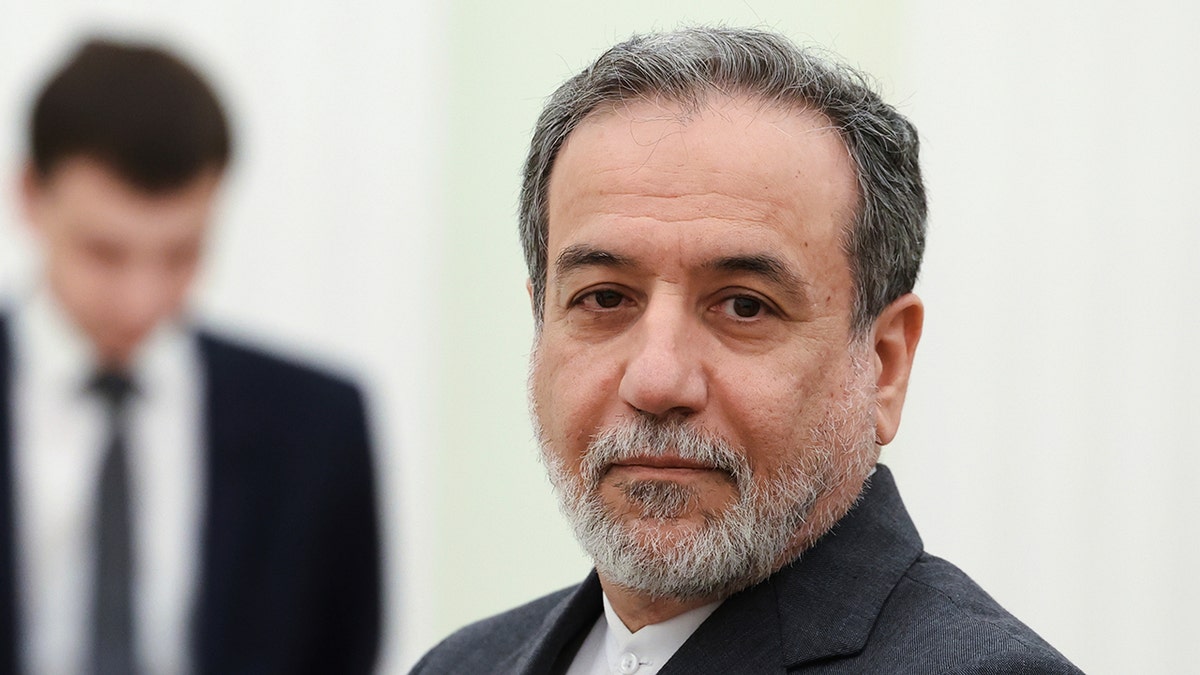
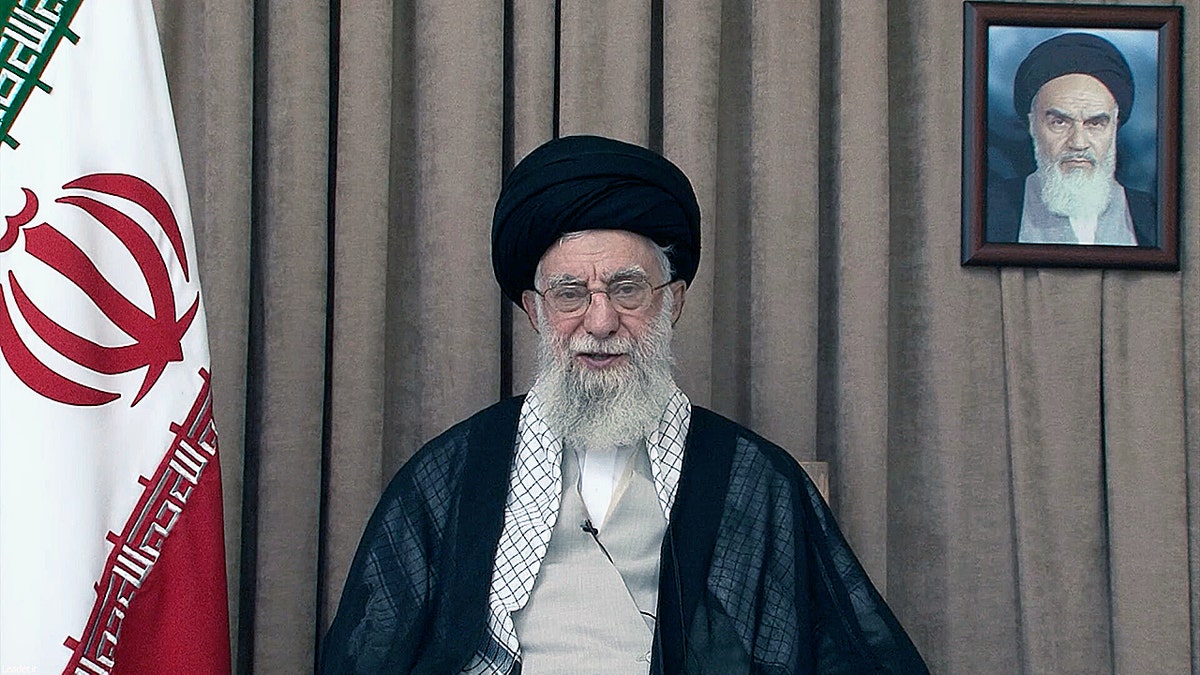
Iranian Foreign Minister Abbas Araghchi, a voice echoing the sentiments of Tehran’s supreme leader, Ayatollah Ali Khamenei, recently delivered a stern ultimatum via the digital battleground of X. His message was unequivocal: disrespect towards Khamenei will not be tolerated. This isn’t merely about diplomatic niceties; it’s a profound declaration of national pride and an assertion of sovereignty. Araghchi’s words, “The complexity and tenacity of Iranians is famously known in our magnificent carpets… But as a people, our basic premise is very simple and straightforward: we know our worth, value our independence, and never allow anyone else to decide our destiny,” paint a vivid picture of a nation unwilling to bend. It’s a powerful statement, designed to resonate with a global audience and rally domestic support, portraying Iran as a steadfast guardian of its own fate.
Yet, it’s Araghchi’s audacious jab at the U.S.-Israeli alliance that truly sent ripples through the geopolitical waters. His claim that “the Israeli regime had NO CHOICE but to RUN to ‘Daddy’ to avoid being flattened by our Missiles” is a masterclass in strategic messaging, aiming to diminish Israel’s perceived strength and highlight its reliance on American military might. This isn’t just rhetoric; it’s an attempt to reshape narratives, to sow seeds of doubt, and to reassert Iran’s regional influence following a recent cessation of hostilities.
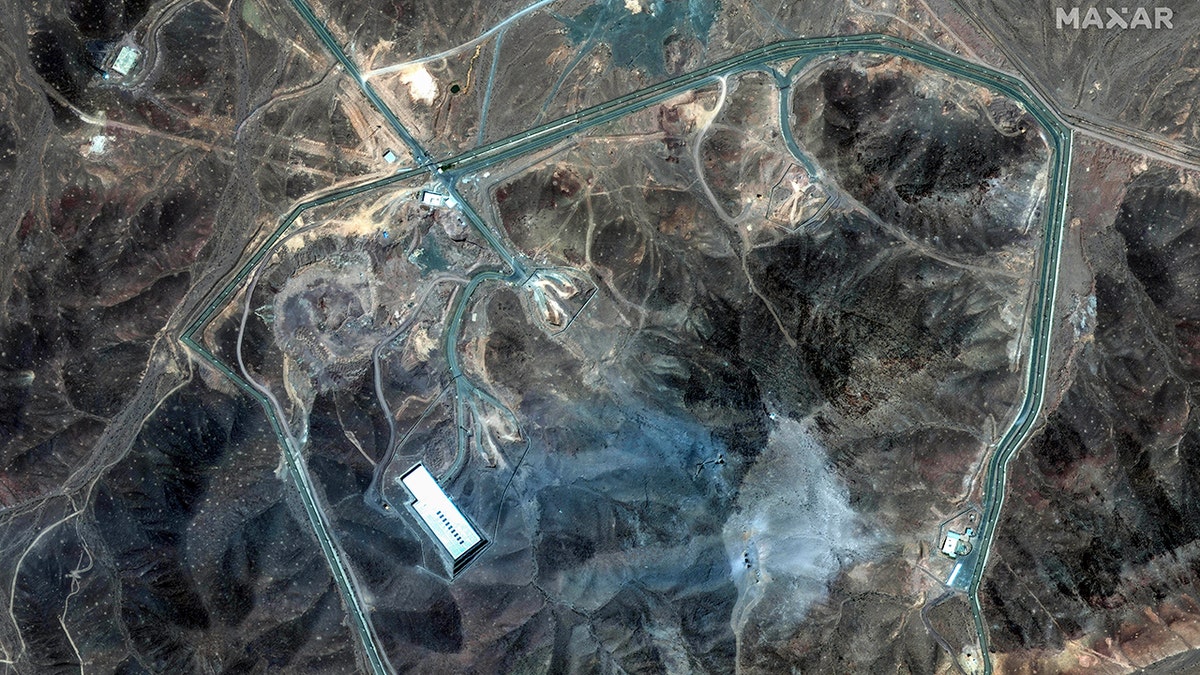
The backdrop to this escalating war of words is the aftermath of a 12-day conflict between Iran and Israel, culminating in U.S. airstrikes that decimated key Iranian nuclear facilities. While a U.S.-brokered ceasefire brought a fragile calm, the verbal sparring continues. Khamenei’s declaration of victory, though dismissed as “foolish” by Trump, underscores the deeply entrenched positions of both sides.
Enter President Trump, whose response, delivered with characteristic directness on Truth Social, cuts through the diplomatic thicket. His rejection of Khamenei’s claims, coupled with the revelation that he personally intervened to spare the Ayatollah’s life, transforms the narrative. This isn’t just a President reacting; it’s a leader asserting control, showcasing both his power and, controversially, his willingness to de-escalate on his own terms. His mantra, “I wish the leadership of Iran would realize that you often get more with HONEY than you do with VINEGAR. PEACE!!!”, is a classic Trumpian blend of pragmatism and provocation. It’s a call for a softer approach, yet delivered with the underlying force of a man who has already demonstrated his decisive military capabilities.
The dance continues. Iran denies any imminent nuclear talks, contradicting Trump’s earlier hints of renewed diplomacy. This standoff isn’t merely about policy; it’s a raw contest of wills, a high-stakes poker game where each player believes they hold the winning hand. The world watches, breathlessly, as these titans of power determine the next move on the global chessboard. Will “honey” prevail, or will the “vinegar” of defiance lead to further, unforeseen consequences? Only time, and the next calculated move, will tell.