In today’s ever-globalizing economy, multinational corporations often optimize their supply chains by manufacturing goods in lower-cost countries and then importing them into key consumer markets. However, the surge in tariff policies, particularly as a result of trade wars or new import regulations, is creating a massive financial burden, directly threatening the profit margins and business strategies of these global giants. Nike, one of the world’s leading sports brands, stands as a prime example of how these policies can push a tariff bill into the billion-dollar range.
Nike and the $1 Billion Tariff Shock
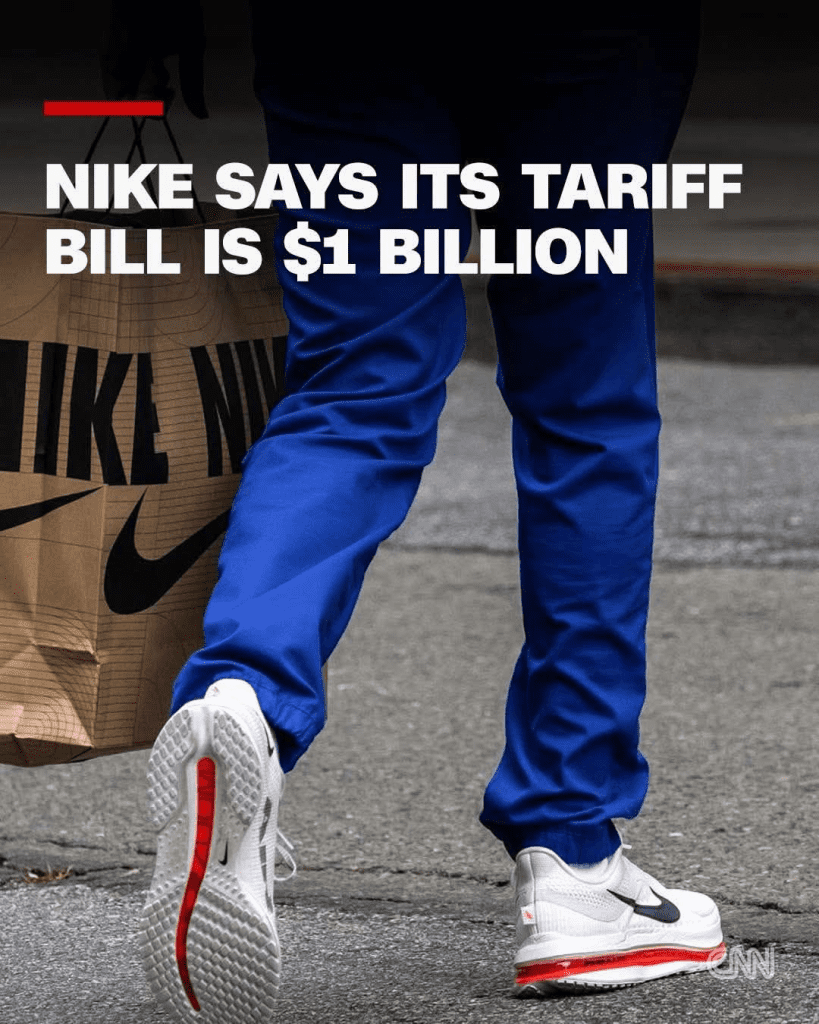
The image of someone carrying a Nike shopping bag alongside the text “Nike says its tariff bill is $1 billion” doesn’t just show a picture; it’s a stark warning about the alarming extent of trade barriers’ impact. As a US-based corporation that produces most of its goods in Asia (primarily China, Vietnam, Indonesia), Nike is directly affected by the surging import tariffs imposed on goods from these nations. Specifically, the US-China trade tensions in recent years have forced Nike to face “staggering” additional taxes, significantly increasing its production and shipping costs.
The $1 billion tariff isn’t just a “sensational” figure; it’s undeniable proof that global corporations are shouldering unforeseen and substantial costs. This “mammoth” expense can affect every corner of the business:
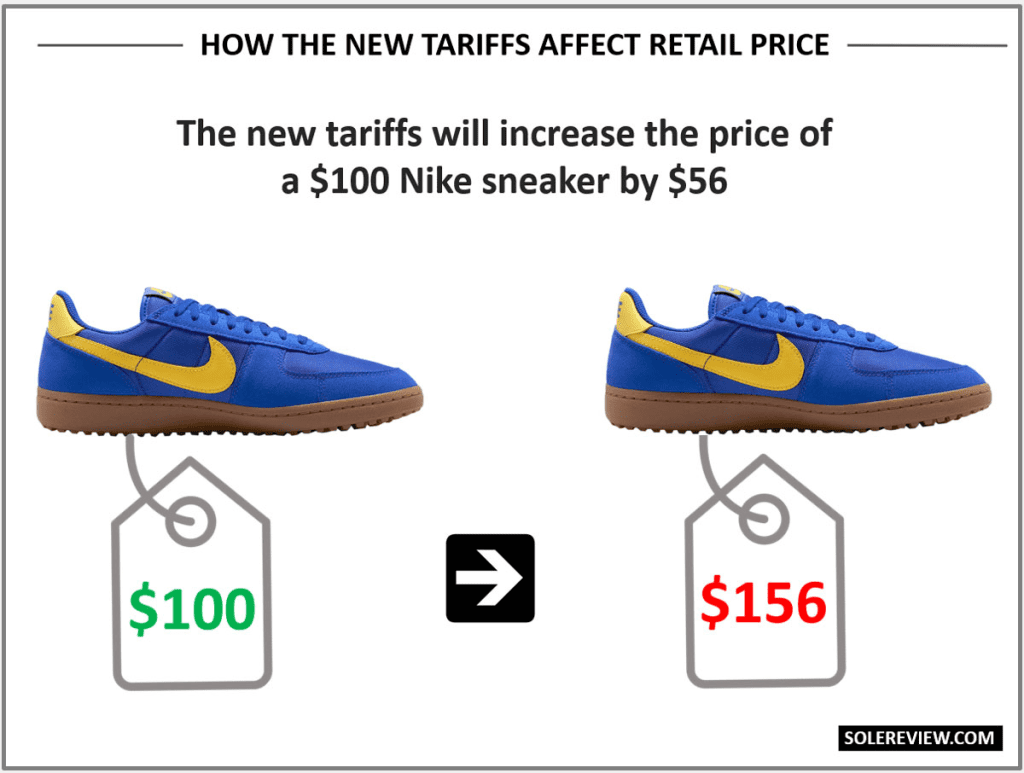
- Soaring Product Prices (and passing the burden to you): To offset tariff costs, companies may be forced to raise product prices, shifting the financial burden onto consumers and potentially reducing their market competitiveness.
- “Dizzying” Profit Margin Squeeze: If prices aren’t raised, or can’t be raised due to fierce competition, the company’s profit margins will shrink significantly, causing major headaches for leadership.
- “Stifling” Investment and Development: Costs arising from tariffs can “devour” resources that would otherwise be allocated to research and development, product innovation, or market expansion, slowing down growth.
- “Inevitable” Production Relocation Pressure: Companies are compelled to re-evaluate their production locations to minimize the impact of tariffs, which requires “massive” and complex investments, bringing with it a host of risks.
Nike Is Not Alone: A Swathe of “Giants” Are Struggling
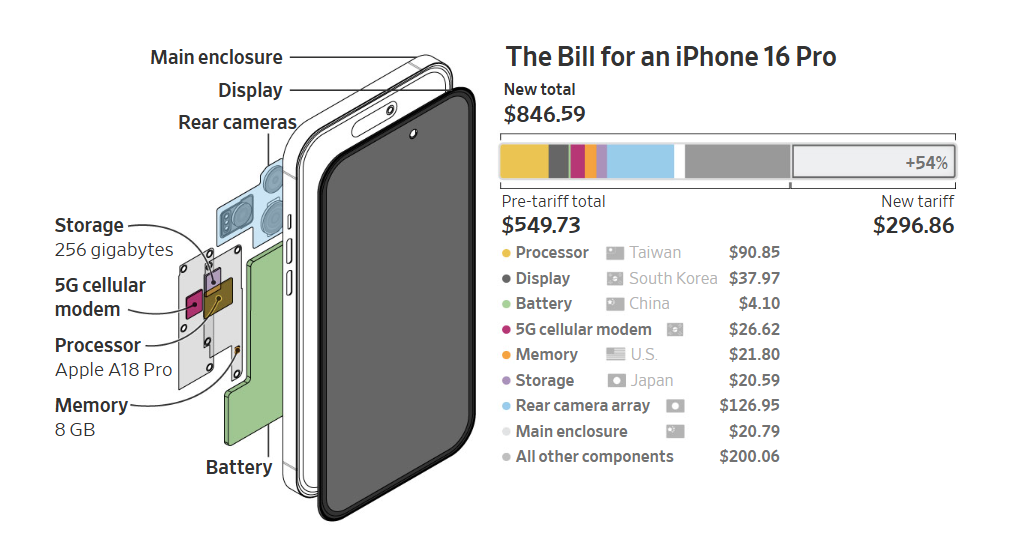
Nike is by no means the only “victim.” Numerous other large corporations across industries, from electronics (Apple, Samsung) and automotive (General Motors, Ford) to retail (Walmart, Target), have faced and continue to face similar challenges. Apple, with its complex supply chain heavily reliant on China, once had to consider moving part of its production out of the country to mitigate tariff risks. Automobile manufacturers also face “nightmares” when import tariffs on steel, aluminum, or components increase, driving up vehicle production costs and putting customers in a difficult position.
Breakthrough Solutions for Companies: Survive and Thrive in the “Tariff Storm”
Facing the relentless “tariff storm,” global corporations need agile and long-term strategies not only to mitigate risks but also to maintain “fierce” competitiveness:
- Supply Chain Diversification: Don’t Put All Your Eggs in One Basket!
- Smart Production Relocation: Do not overly depend on a single country or production region. Companies should research and invest in establishing manufacturing facilities in various countries. For instance, Nike has been ramping up production in Vietnam, Indonesia, and other Southeast Asian countries to reduce reliance on China – an extremely shrewd strategy.
- Seeking Alternative Suppliers: Always Have a Plan B, C, D…! Develop a wide network of suppliers to be able to quickly switch sources when needed, ensuring production isn’t halted.
- Optimizing Import Processes and Tariff Management: Know the Rules of the Game!
- Mastering Regulations: Don’t Be Caught Off Guard! Continuously update and deeply understand tariff regulations and free trade agreements (FTAs) to maximize tariff benefits, potentially saving millions of dollars.
- “Smart” Risk Management: Forecast and Act! Build a dedicated team for international trade to monitor and forecast changes in tariff policies, enabling timely preventive measures.
- Boosting Automation and Technology: The Key to the Future!
- Reducing Labor Dependency: Automation is Gold! Increasing automation in manufacturing can minimize labor costs and allow companies greater flexibility in relocating production without significantly impacting personnel expenses, giving you a superior competitive edge.
- Implementing Blockchain Technology: Transparency and Efficiency! To enhance transparency and efficiency in supply chain management, aiding traceability and optimizing customs procedures, thereby reducing errors and waste.
- Increasing Investment in Innovation and Value-Added: Create Differentiation!
- Investing in R&D: Never Stop Innovating! Instead of just competing on price, companies should focus on product innovation, improving quality, and creating unique value to maintain a competitive edge even when input costs rise. This is the only way to stand out from the crowd.
- Building a Strong Brand: The Invisible Power! A powerful brand and strong customer loyalty can help a company maintain sales even if product prices adjust.
- Policy Advocacy and Collaboration: Change the Game!
- Dialogue with Governments: Let Your Voice Be Heard! Corporations can collectively or through industry associations engage in dialogue with governments, presenting the “painful” impacts of tariffs and advocating for more open trade policies, for the common good.
- Collaboration with Partners: The Power of Synergy! Work together with partners in the supply chain to find common solutions, share risks and costs, creating a more resilient community.
Conclusion
Tariff policies are posing “colossal” challenges for global corporations, forcing them to adapt and innovate continuously. With “startling” billion-dollar “bills” like Nike’s, it’s clear that supply chain diversification, optimized tariff management, investment in technology and innovation, along with policy advocacy, are no longer luxuries but have become mandatory requirements to ensure sustainability and exponential growth in a highly volatile global trade landscape.