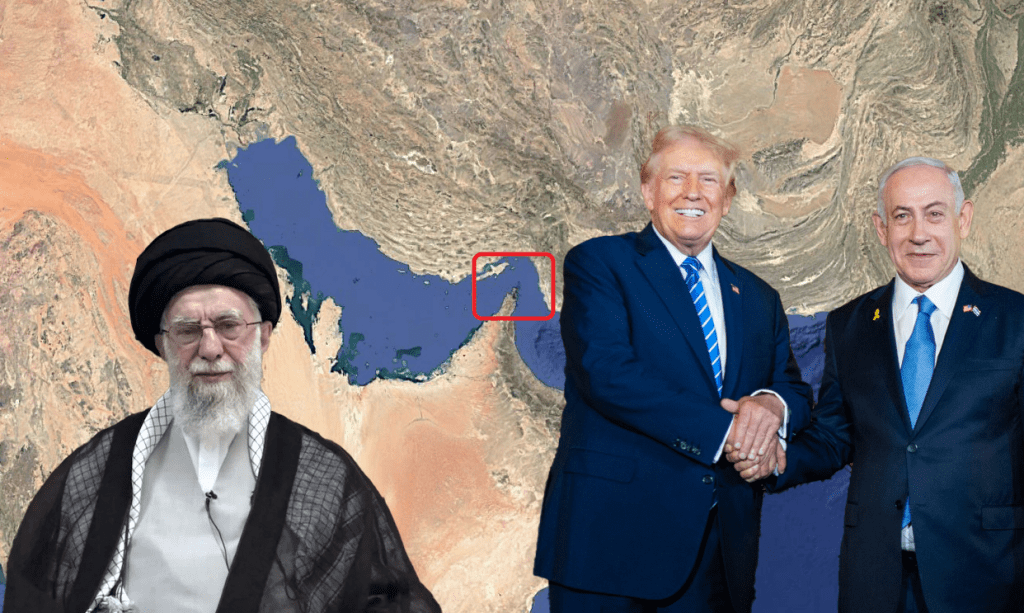
Washington D.C. – The potential closure of the Strait of Hormuz, one of the world’s most critical maritime choke points, poses a severe threat not only to global energy security but also to the economic stability of the United States. While this scenario might seem distant, its potential repercussions demand clear understanding and preparation from the American populace.
Key Risks if Hormuz is Closed:
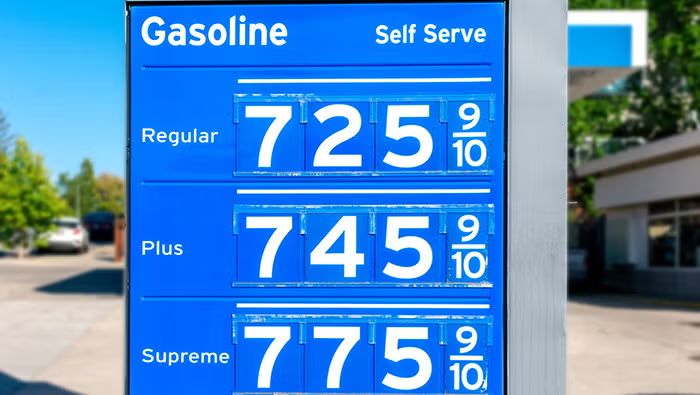
- Unprecedented Surge in Oil and Gas Prices: The Strait of Hormuz facilitates the transit of approximately 20% of the world’s daily oil supply. Although the U.S. is not as directly dependent on oil transiting through the strait as Asian nations (only about 7% of total oil and 2% of total liquid fuels consumed in 2024 passed through here), its closure would deliver a massive shock to the global oil market. Crude oil prices could immediately jump by 30-50%, potentially even doubling to over $100 per barrel. This would cause gasoline prices at U.S. pumps to skyrocket to $5-7 per gallon or higher, depending on the duration of the blockade.
- Escalating Inflation and Economic Downturn: A sudden spike in energy prices would have a domino effect throughout the economy. Transportation, manufacturing, and supply chain costs would rise significantly, leading to widespread inflation, directly impacting the daily cost of goods and services for citizens. A decline in consumer and business confidence due to economic instability could push the U.S. into a recession. The “animal spirits” in financial and labor markets could also be negatively affected.
- Geopolitical Risks and Military Conflict: An Iranian closure of Hormuz would be considered a grave act of aggression, highly likely to provoke a military response from the U.S. and its allies to ensure freedom of navigation. The risk of escalating conflict in the Middle East would increase sharply, creating major geopolitical instability. This would not only affect national security but could also impact U.S. foreign policy and resource allocation.
- Global Supply Chain Disruptions: Beyond oil, the Strait of Hormuz is also a crucial route for about one-fifth of global liquefied natural gas (LNG) trade. Any disruption here would impact the LNG market and could cause delays in broader global supply chains, from electronic components to consumer goods, due to increased shipping costs and port congestion.
Advice for American Citizens to Prepare:
- Budget Management and Savings: In an environment of potentially soaring prices, meticulous budgeting and increased savings are essential. Limit non-essential spending and build an emergency fund to cope with rising living costs.
- Re-evaluate Commuting Costs: High gas prices will make commuting more expensive. Consider more economical travel options such as carpooling, public transportation, or working remotely if feasible.
- Diversify Investments and Review Portfolios: During times of economic uncertainty, stock markets can be highly volatile. Seek advice from financial professionals to diversify your investment portfolio and protect your assets from potential shocks.
- Stay Informed and Remain Calm: Accessing accurate information from reliable sources is crucial to avoid panic and make informed decisions. Resist succumbing to rumors or misinformation circulating on social media.
- Prepare for Potential Local Shortages: While the overall U.S. supply might not be as directly impacted as other nations, global supply chain disruptions could lead to localized shortages of certain goods or price increases. Consider stocking up on a small quantity of essential items.
The closure of the Strait of Hormuz represents a “doomsday scenario” for global oil markets and would have far-reaching implications for the daily lives of American citizens. Proactive preparation and a clear understanding of these risks are key to navigating what could be a challenging period.