Donald Trump, a figure who rarely shies away from sharing his opinions, has offered a glimpse into his approach to parenting, particularly through the “golden rules” he famously laid out for his youngest son, Barron. While these directives for Barron, revealed in an old television interview, have recently resurfaced and garnered widespread attention, they also hint at a broader philosophy Trump has applied across his family.
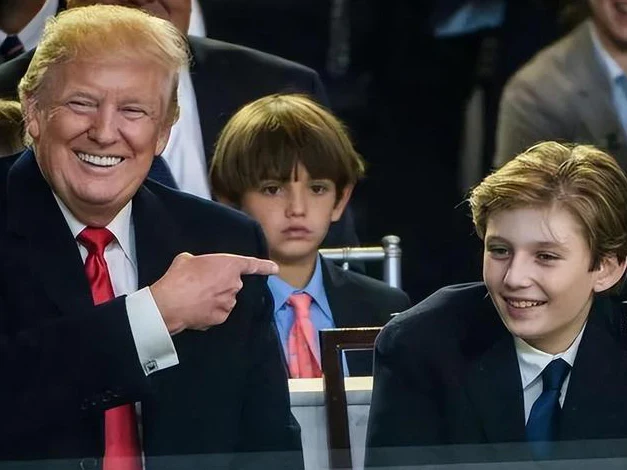
The Foundation: Strict Directives for Young Barron
The most prominent insight into Trump’s parenting style for Barron comes from a 2006 interview on CNN’s Larry King Live. In a clip that has since circulated widely on social media, Trump, with a young Barron by his side, outlined a clear set of expectations. While often referred to as “four golden rules,” a fifth is frequently included in discussions:
- “All A’s”: Emphasizing academic excellence, Trump made it clear that top grades were non-negotiable. This highlights a focus on achievement and diligence in formal education.
- “No drugs”: A firm stance against illicit substances, reflecting a common parental concern for health and legal compliance.
- “No alcohol”: Prohibiting underage drinking, reinforcing a commitment to a healthy and law-abiding lifestyle.
- “No cigarettes”: A clear directive against smoking, underscoring health consciousness.
- “No tattoos”: This additional, somewhat unique rule, suggests a preference for a clean-cut image and potentially an aversion to body modifications, reflecting personal values.
These direct and unambiguous rules were presented not as suggestions, but as definitive guidelines for Barron’s upbringing. The resurfacing of this clip has led to discussions about the effectiveness and implications of such a strict approach to parenting from a young age.
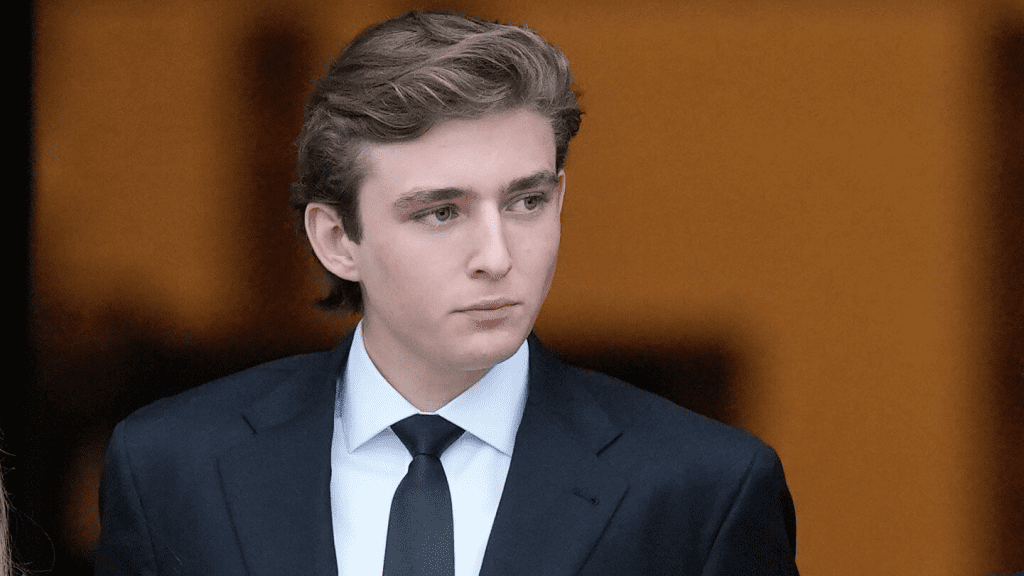
A Philosophy Rooted in High Expectations and Achievement
Beyond these specific rules for Barron, observations and public statements suggest that Donald Trump’s parenting philosophy generally emphasizes high expectations, discipline, and a strong work ethic. His older children – Donald Jr., Ivanka, Eric, and Tiffany – have all forged significant careers, often within the family business empire or in public service, echoing their father’s drive for success.
For instance, Ivanka Trump has often spoken about her father’s encouragement to pursue her ambitions and to always strive for excellence. She, along with her brothers, was exposed to the world of business from a young age, suggesting a hands-on, experience-based learning environment coupled with expectations of performance. While the specific “rules” for his older children might not have been articulated in the same public, concise manner as for Barron, the outcomes suggest a consistent underlying message about dedication, responsibility, and the pursuit of success.
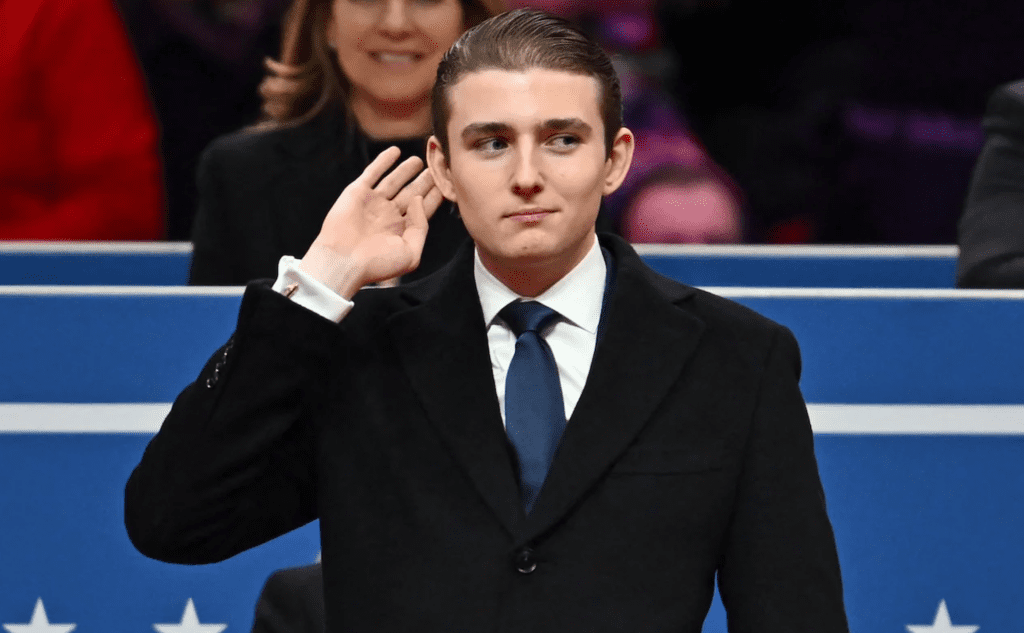
Praise for a Traditional Approach
Many who laud Trump’s parenting approach view these “golden rules” as a commendable example of traditional discipline and clear boundaries. Supporters often highlight the importance of direct instruction and setting high standards for children, believing that such methods instill strong values, responsibility, and a sense of purpose from an early age.
For figures like Reverend Franklin Graham, the strict directives against drugs, alcohol, and tobacco are seen as responsible parenting, guiding children away from destructive paths. The emphasis on academic achievement (“All A’s”) is also frequently praised as fostering a strong foundation for future success. In a world where parenting styles are constantly debated, Trump’s straightforward approach resonates with those who advocate for firmness and clear moral guidelines in raising children.
While the public largely forms its opinions based on snippets and observations, these insights into Donald Trump’s “golden rules” for Barron offer a fascinating window into the expectations and values he aimed to instill in his children, a philosophy that appears to prioritize discipline, health, and achievement.