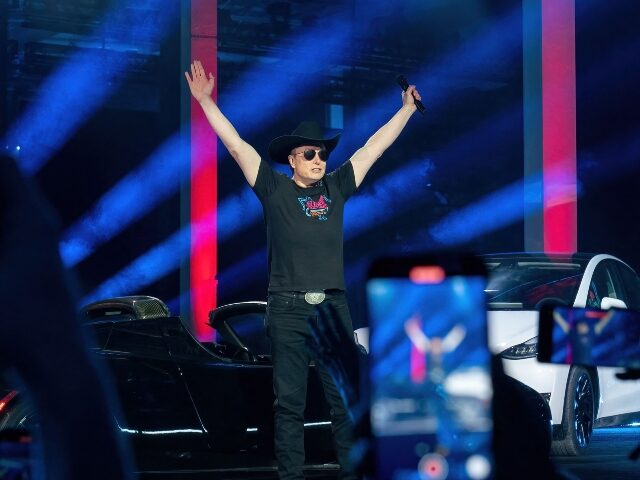
The landscape of urban transportation is undergoing a transformative shift, as evidenced by Elon Musk’s recent launch of Tesla’s robotaxi service in Austin, Texas. This move signifies a bold entry into the competitive autonomous ride-hailing market, a sector many believe will redefine personal mobility and public transit. While enthusiasts hail this as a stride into a futuristic era of driverless convenience, a closer examination reveals a complex interplay of technological ambition, regulatory hurdles, and inherent safety concerns that continue to fuel a robust public debate.
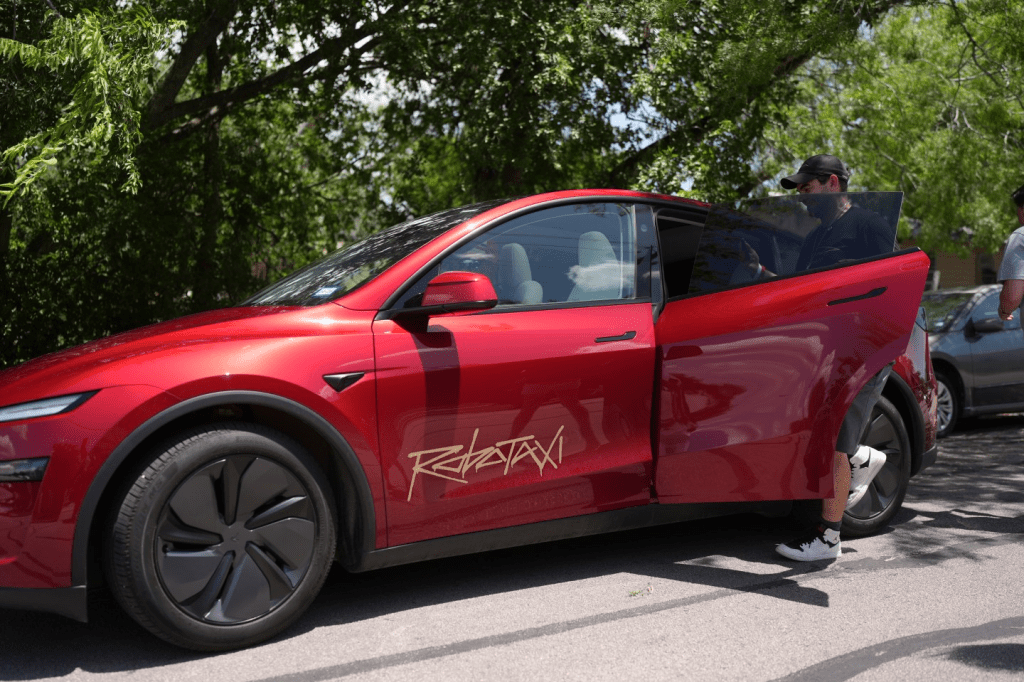
Tesla’s initial deployment in Austin utilizes a fleet of autonomous Model Y SUVs, currently operating within a geofenced area and accessible to a select group of invitees. This cautious, phased rollout underscores the company’s approach to testing its cutting-edge technology in real-world public road conditions. The service’s pricing, a flat fee of $4.20, has notably drawn attention for its cultural reference, adding a layer of Musk’s characteristic unconventionality to the launch.
Central to Tesla’s vision is its advanced Full Self-Driving (FSD) system, which leverages an array of cameras and sophisticated AI algorithms to navigate complex urban environments. Musk has consistently championed this technology as a cornerstone of Tesla’s future, envisioning a widespread network of driverless vehicles. However, the path to this future has been anything but smooth. The FSD system, despite its promise, has been the subject of intense scrutiny and numerous controversies. Reports of incidents, such as a Tesla in FSD mode circumventing a train crossing barrier and subsequently being struck by a train in Pennsylvania, amplify the critical questions surrounding the system’s reliability and safety protocols. Such occurrences necessitate emergency interventions, including halting train traffic and requiring specialized equipment like cranes for vehicle recovery, highlighting the tangible risks involved in autonomous vehicle deployment.
Proponents of autonomous technology emphasize its potential to enhance road safety by eliminating human error, a leading cause of accidents. They point to continuous advancements in AI and sensor technology as indicators of an increasingly robust and reliable future for self-driving cars. Tesla, in particular, maintains that it is being “super paranoid about safety” in its robotaxi rollout, a statement intended to reassure a public increasingly wary of new, unproven technologies on their roads.
Conversely, critics raise valid concerns about the current limitations of autonomous systems, particularly in unpredictable real-world scenarios. They argue that while impressive in controlled environments, the transition to widespread public operation must be accompanied by rigorous testing, transparent data, and clear regulatory frameworks. The ethical implications of AI decision-making in critical situations and the accountability for accidents involving driverless vehicles remain areas of significant contention and ongoing discussion.
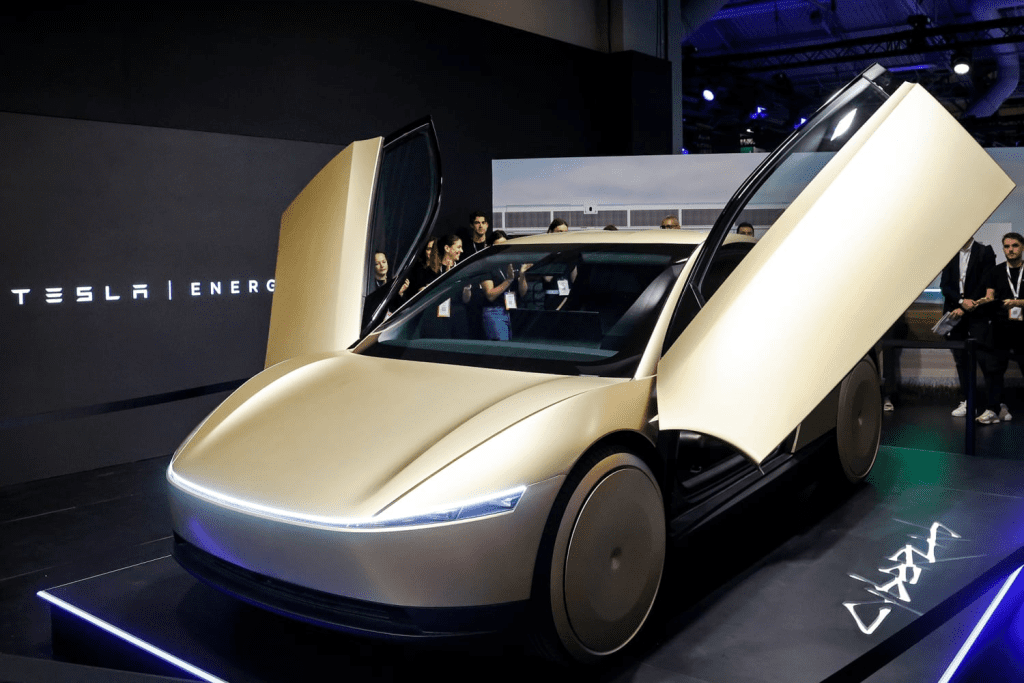
Looking ahead, Tesla’s ambitions extend beyond the current Model Y fleet. The company has teased the development of purpose-built robotaxis, including the compact Cybercab and the larger multi-passenger Robovan, both designed without traditional controls such as steering wheels and pedals. These futuristic vehicles are slated for potential introduction as early as 2026, signaling a long-term commitment to a fully autonomous transportation ecosystem.
The financial projections surrounding Tesla’s robotaxi venture are equally contentious. Enthusiastic analyses, such as those from Cathie Wood’s ARK Invest, forecast colossal revenue generation, potentially reaching $951 billion by 2029 and accounting for a significant portion of Tesla’s overall earnings. This optimistic outlook hinges on the widespread adoption and scalability of autonomous ride-hailing. However, a segment of analysts remains skeptical, questioning the true market size for self-driving taxis and the pace at which consumers will embrace such a paradigm shift in transportation.
In this evolving landscape, Tesla is not alone. Established players like Google’s Waymo and Amazon’s Zoox have already launched similar autonomous services in various U.S. cities, leveraging their proprietary technologies and operational experience. The competition in this nascent market is fierce, with each company vying for market share and public trust. The success of Tesla’s robotaxi service, therefore, will not only depend on its technological prowess but also on its ability to navigate regulatory complexities, address safety concerns, and ultimately win over a skeptical public. The road ahead for autonomous vehicles is undoubtedly filled with both immense promise and formidable challenges.
Hardline Journal