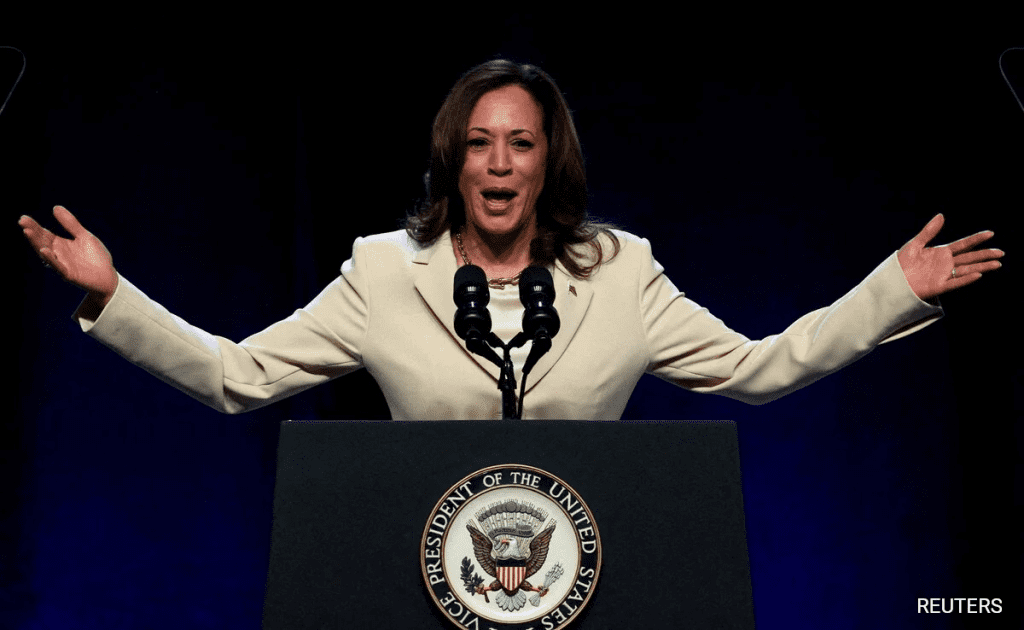
Kamala Harris’s selection as the Democratic vice presidential nominee in 2020—and her potential to succeed the presidency in the future—has sparked ongoing debate, particularly regarding legitimacy and the democratic nature of leadership selection within political parties. Critics, especially from conservative circles, argue that Harris “didn’t receive a single vote” during the primaries yet was “anointed” as a top candidate—an act they claim contradicts the Democratic Party’s own rhetoric of “No Kings” and anti-elitism.
The facts are straightforward: during the 2020 Democratic primaries, Kamala Harris withdrew from the race in December 2019—before any state held a single vote. Her campaign struggled with low polling and insufficient fundraising. Months later, in August 2020, Joe Biden, the party’s leading candidate and the delegate front-runner, selected Harris as his running mate.
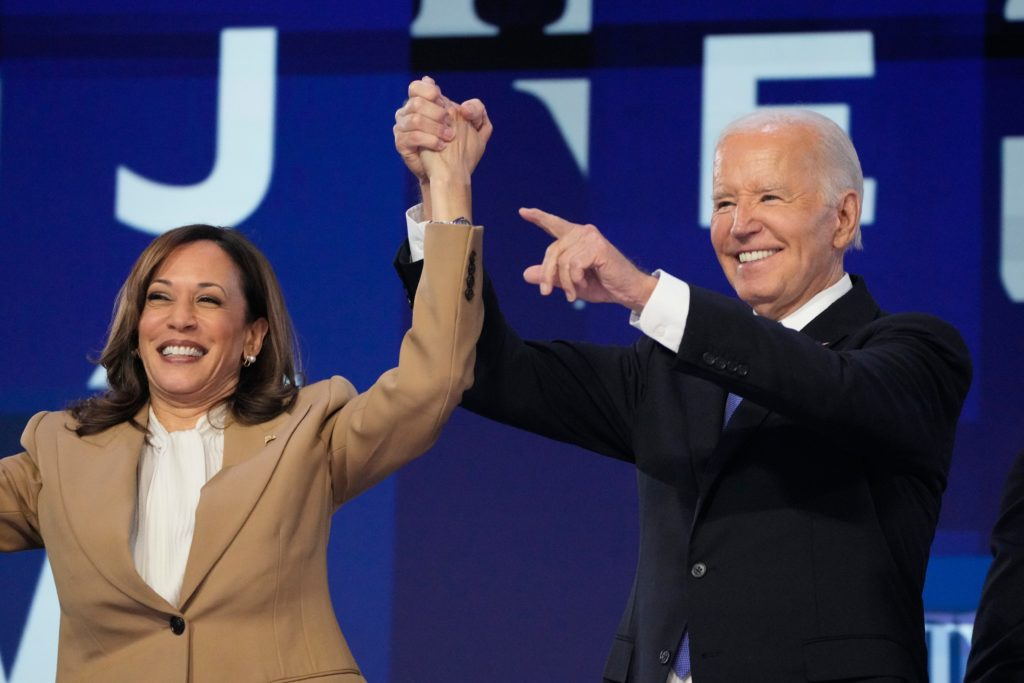
Procedurally, this was entirely legitimate and consistent with American political tradition. Presidential nominees have long chosen their vice presidential running mates based on strategic considerations—geography, demographics, or ideology. Kamala Harris was not the first VP nominee who didn’t pass through a primary vote. For instance, Gerald Ford became Vice President—and eventually President—without ever being elected to either office.
However, the real issue is not procedural—it’s perception. In an era of growing public skepticism toward political institutions, appointing a figure with low primary support to such a high office raises concerns. Some voters ask whether this move reflects democratic representation or top-down political orchestration. These concerns are heightened given that Harris, if President Biden steps aside or doesn’t seek re-election, could become the first female President in U.S. history.
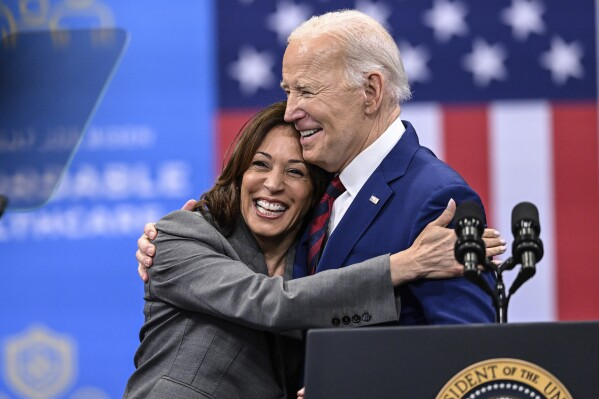
Supporters of Harris counter this narrative by pointing out that she won alongside Biden in the 2020 general election, securing over 81 million votes—the highest in American history. This, they argue, represents a broad national mandate, regardless of her performance in the early primary stages.
Ultimately, the controversy over Harris’s “appointment” is not just a personal critique but reflects a broader debate about transparency, internal democracy, and public trust in political processes. In a representative democracy like the United States, distinguishing between legal legitimacy and perceived legitimacy is becoming increasingly critical. As parties evolve in response to media, identity, and strategy, the balance between process and perception will define the future of democratic leadership.