Washington D.C. – In today’s complex geopolitical landscape, every military action by the United States is scrutinized under the microscope of global media and public opinion. However, there’s a troubling inconsistency that often goes overlooked: the puzzling discrepancy in how the world reacts to different U.S. presidents’ military endeavors. While Democratic presidents have overseen countless military interventions with relatively less fervent opposition, a single action by President Trump seems to send the entire world into a frenzy.
Let’s review the recent history of military interventions under various U.S. presidents:
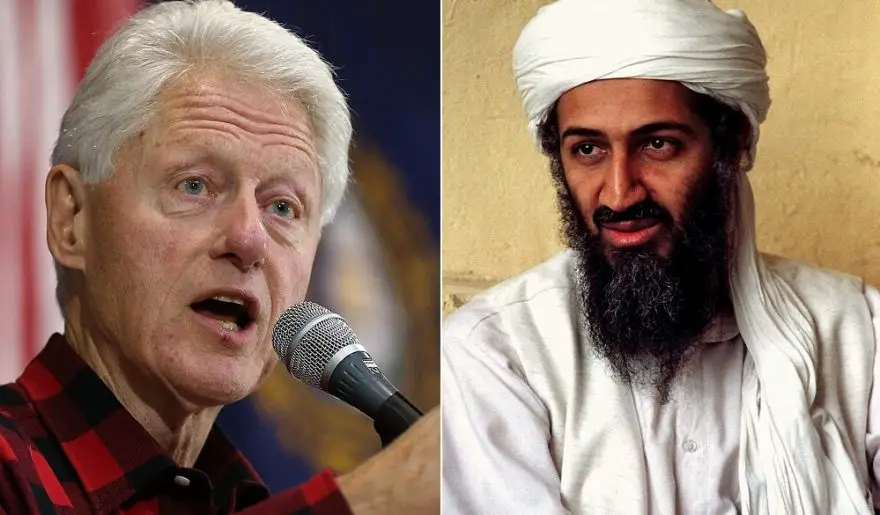
- President Bill Clinton (Democrat): His tenure saw airstrikes in Afghanistan and Sudan. These were direct military actions, yet they did not appear to trigger a significant wave of “global panic” at the time.
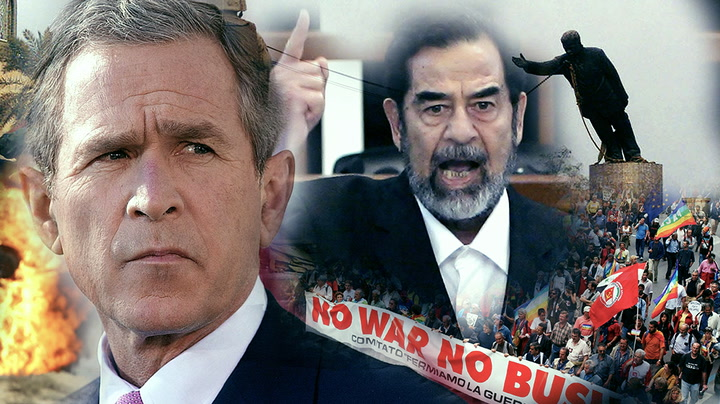
- President George W. Bush (Republican): Under President Bush, the war in Iraq was a major event, justified by the search for Weapons of Mass Destruction (WMDs), which later came under scrutiny. Despite this being a large-scale war, the world’s reaction remained notably different from what we’ve witnessed more recently.
- President Barack Obama (Democrat): Perhaps few remember that former President Obama, a Nobel Peace Prize laureate, directed airstrikes and military interventions in more countries than almost any other president on this list. Under his leadership, bombs fell on Libya, Syria, Iraq, Somalia, Yemen, Afghanistan, and even Pakistan. A long list of nations attacked, yet how many truly “panicked” or called for a “third world war” at the time?
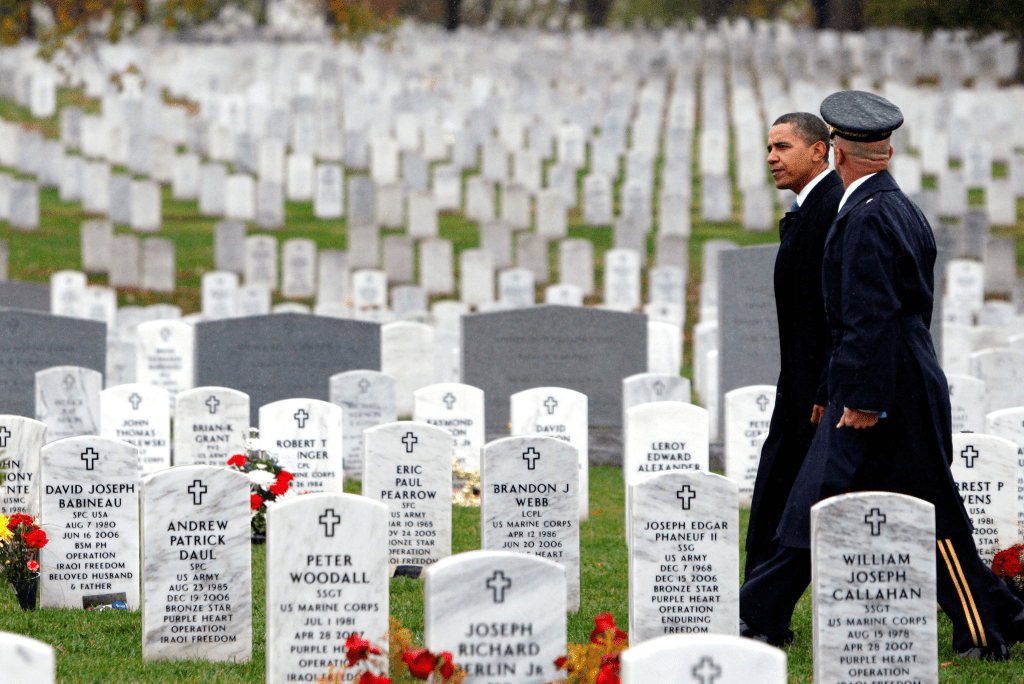
- President Joe Biden (Democrat): Even under the current administration, President Biden has ordered airstrikes in Iraq and Syria. These actions are often framed as “responses” or “deterrence,” and they seemingly do not draw the same global outrage as actions taken by his predecessor.
Now, consider the case of President Donald Trump (Republican). When his administration carried out strikes targeting Iran, suddenly, “the whole world is panicking”. Left-leaning media outlets and international commentators were quick to accuse President Trump of “starting a war,” pushing the world to the brink of conflict.

The question then arises: Why this stark difference? Is an airstrike in Iraq under Obama “acceptable,” while a similar strike in Iran under Trump is deemed “unprecedentedly dangerous”? Is it possible that the world and the media are applying a double standard, where military action by a Democratic president is more readily justified, while actions by a Republican president – particularly President Trump – are exaggerated and condemned more harshly?
This is not merely an internal U.S. political issue. This is a systemic bias that shapes global perceptions and undermines our ability to objectively assess real threats and governmental actions. When panic is selectively generated, it not only harms the image of a president but also erodes trust in media outlets and the impartiality of international discourse.
It is time for the world to stop panicking “on cue” and begin viewing military actions fairly, without regard for political party or the individual president in office. Only then can we have an honest and effective dialogue about global peace and security.