In recent years, many cities around the world—especially in states like California—have taken the lead in passing environmental protection laws, such as banning plastic straws, plastic bags, and single-use items. These are necessary steps to protect the planet, but the real question is: Are these policies being prioritized at the expense of deeper, more urgent social issues?
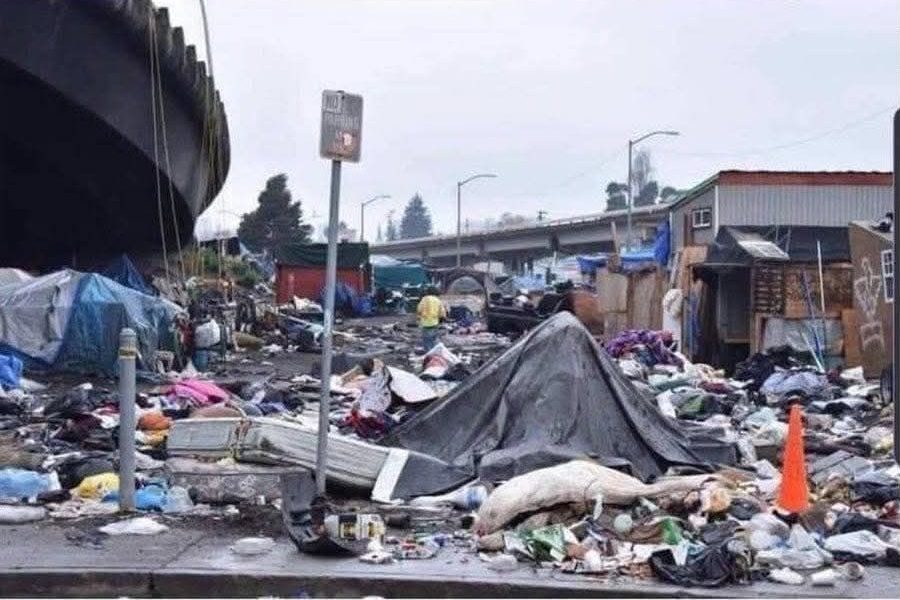
A striking photo shows a homeless encampment under a bridge, surrounded by garbage and unsanitary conditions. The caption sarcastically reads, “Thank God California banned plastic straws.” It’s a bitter reminder of how symbolic, feel-good policies can often overshadow the real wounds of urban life: homelessness, poverty, addiction, and public health crises.
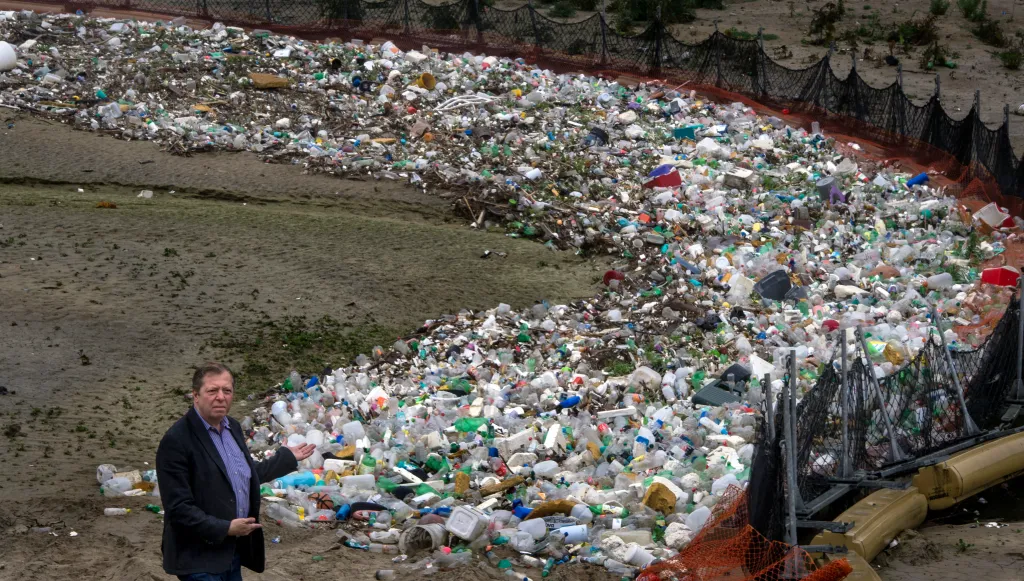
This is not to undermine the importance of environmental protection. Reducing single-use plastics is critical. But such policies should not serve as a convenient distraction from addressing human suffering and structural issues that affect the well-being and dignity of thousands.
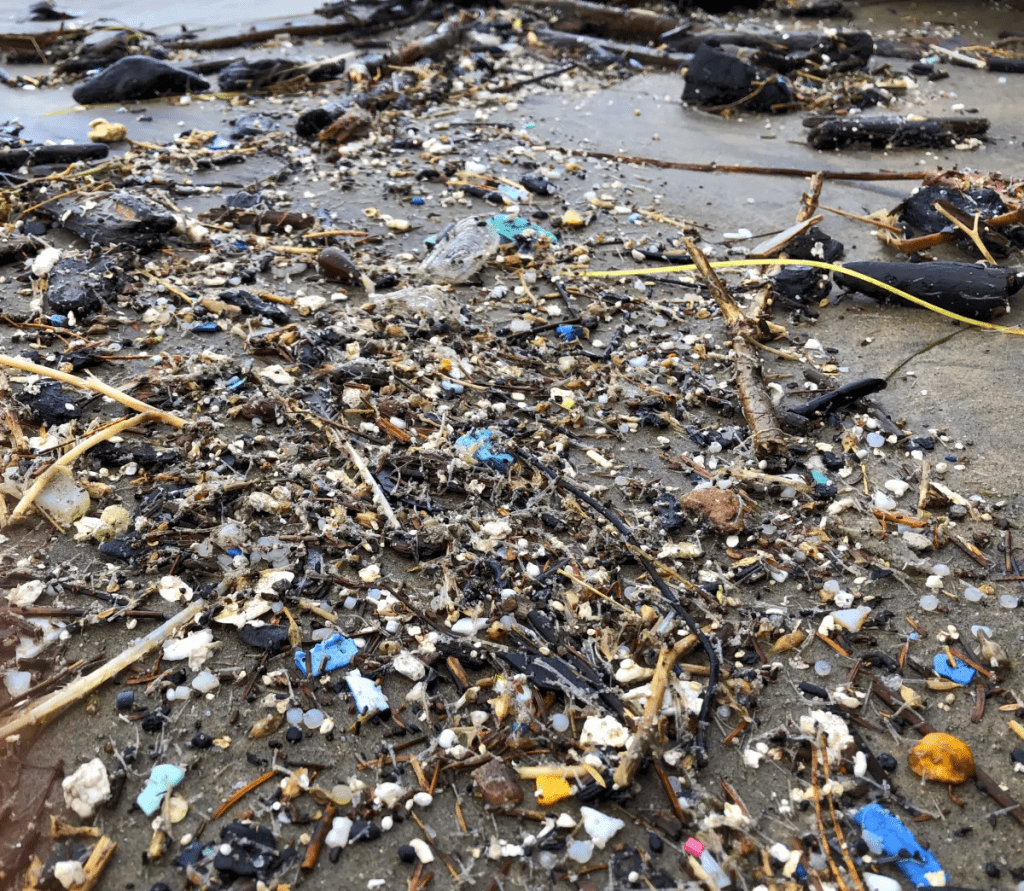
We must ask: does banning plastic straws truly create meaningful change when garbage still fills the streets and vulnerable people remain unsupported? A truly responsible approach must address both the ecological environment and the human environment.
Now more than ever, urban policymakers must recognize that protecting the environment is essential—but it cannot replace social justice. Let’s be wary of policies that look good on paper while real people continue to suffer in the shadows of our cities.