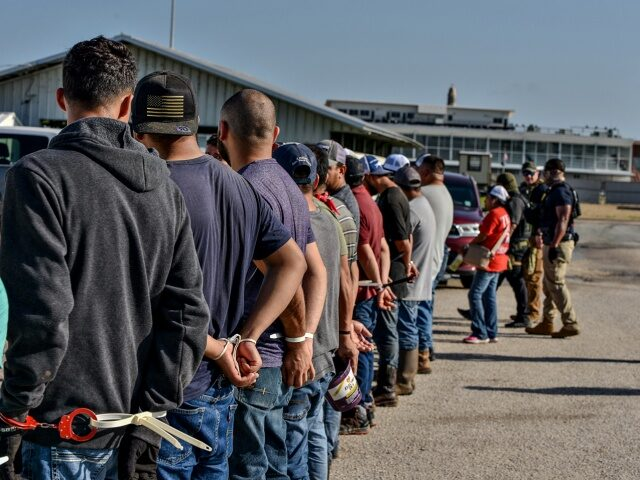
Recent Immigration and Customs Enforcement (ICE) operations across Louisiana and Pennsylvania have brought the contentious issue of undocumented workers and immigration enforcement sharply into public view. These actions, which resulted in the detention of dozens of individuals, including some with prior criminal convictions, highlight the ongoing tension between national security, economic stability, and human rights.
On June 17, an operation at the Delta Downs Racetrack in Calcasieu Parish, Louisiana, led to the arrest of 84 individuals identified as undocumented. ICE reports indicate that among those detained were individuals with past legal issues, ranging from drug trafficking and multiple drunk driving convictions to aggravated assault and repeated illegal re-entries into the United States. Prominent cases cited by ICE include a 68-year-old individual with a drug trafficking conviction and a 51-year-old man reportedly re-entering the U.S. 17 times with various charges. These details are presented by authorities to underscore the alleged criminal element within the undocumented population, framing the enforcement actions as a necessary measure for public safety.
Conversely, critics of such large-scale workplace raids argue that they disrupt communities and inflict significant hardship on individuals and families, many of whom are seeking economic opportunities and a better life. The focus on individuals’ criminal records, while legally pertinent, can overshadow the broader humanitarian implications of detentions and deportations. Advocates often highlight the economic contributions of undocumented workers to various sectors, contending that such raids can negatively impact local economies by removing a vital labor force. The long-term effects on businesses, particularly those reliant on immigrant labor, remain a point of contention and debate.

Another incident occurred on June 11 in Bethlehem, Pennsylvania, where 17 individuals identified as undocumented were detained while working at a construction site. The individuals originated from various Latin American countries, including Venezuela, Mexico, Ecuador, and Nicaragua. These arrests, taking place at a site undergoing restoration, raise questions about employer responsibility and the mechanisms through which undocumented individuals secure employment. While ICE officials emphasize the importance of targeting “illegal employment practices that undermine American workers, destabilize labor markets, and expose our critical infrastructure to exploitation,” as stated by Edward Owens, the human cost and the efficacy of such strategies in addressing complex immigration challenges are frequently debated.
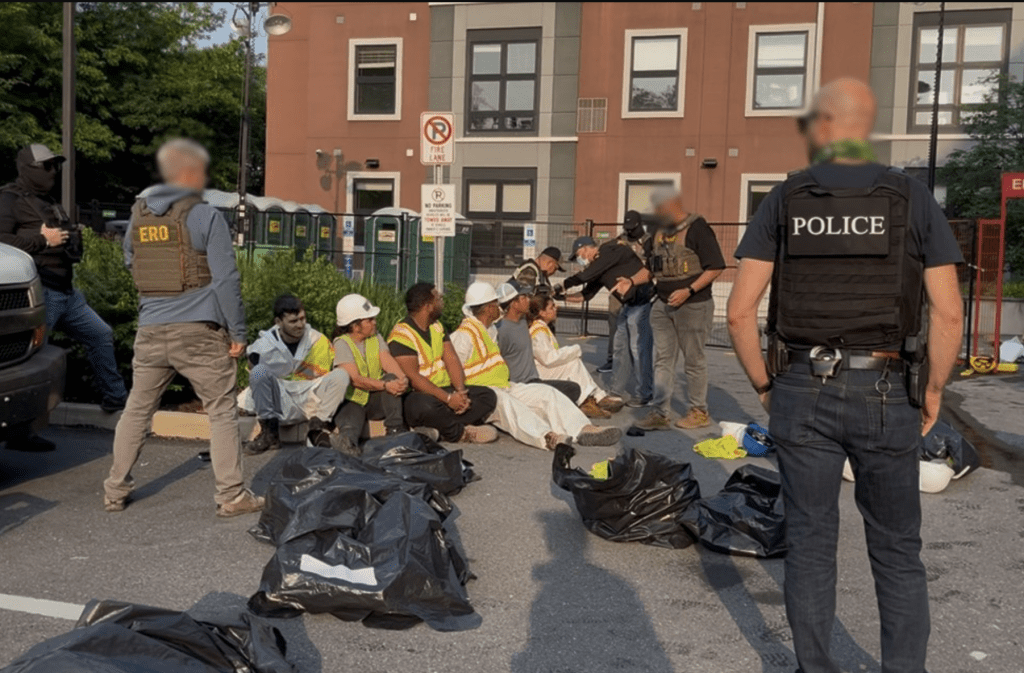
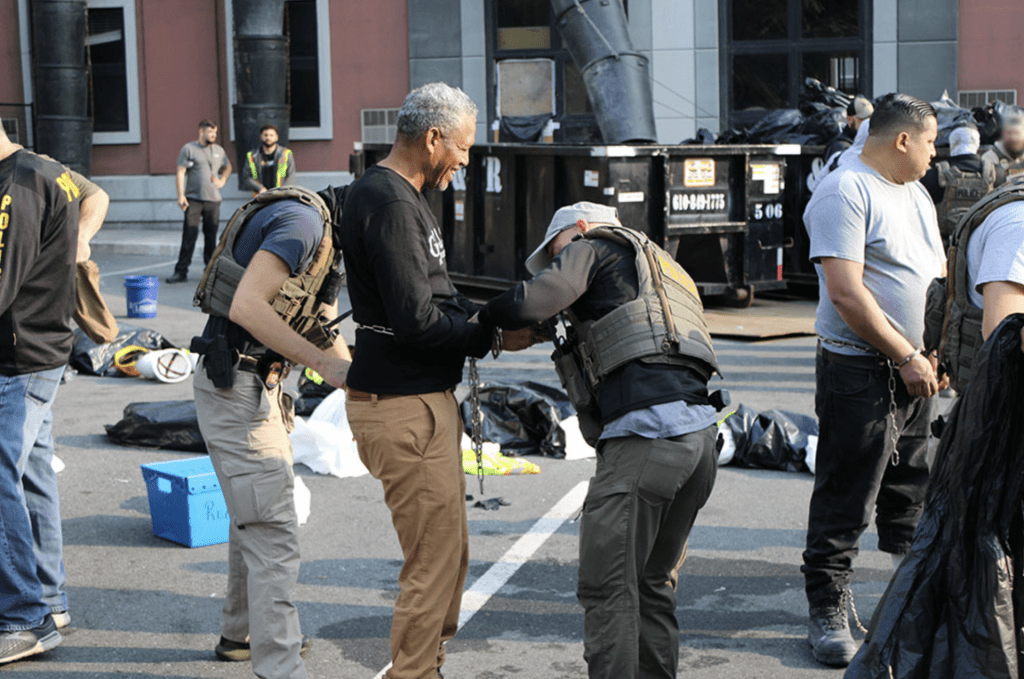
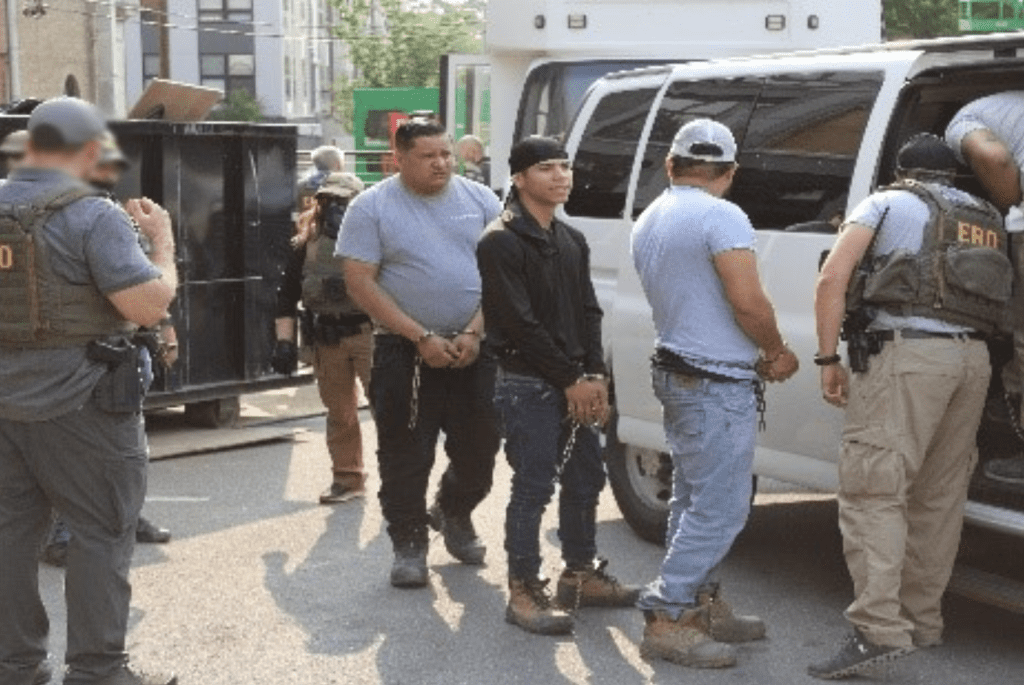
The broader implications of these enforcement actions extend beyond individual arrests. They fuel a national discourse on immigration policy, the role of federal agencies, and the balance between border security and the integration of immigrant communities. Supporters of stringent enforcement view these operations as essential for maintaining the rule of law and protecting national interests. They argue that undocumented immigration strains social services and depresses wages for legal workers. Opponents, however, contend that such policies often fail to address the root causes of migration and can lead to the exploitation of vulnerable populations. The debate continues to unfold, with each operation serving as a fresh data point in a deeply polarized national conversation about who belongs and under what conditions.
Hardline Journal