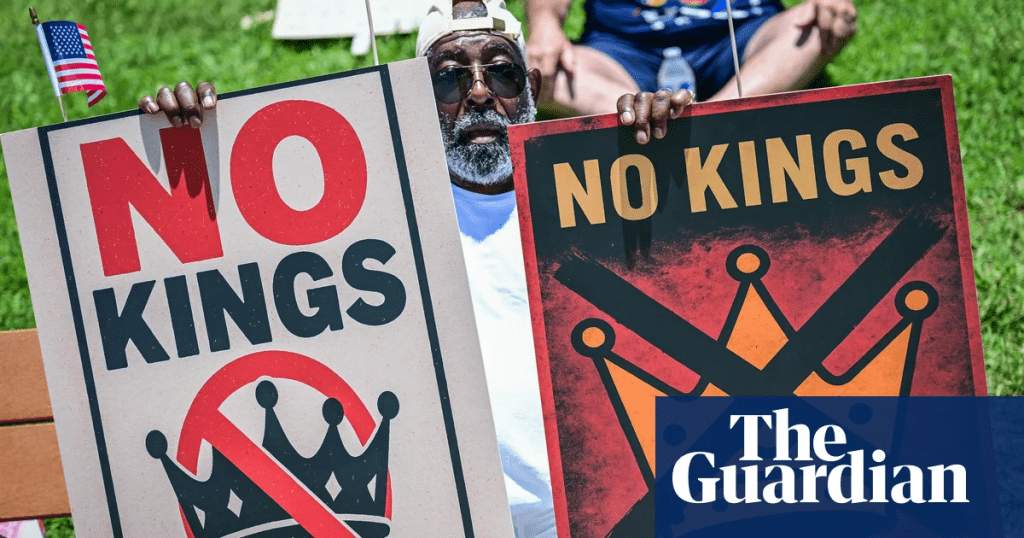
The image circulating on social media, highlighting the apparent contradiction of those who rallied under the “No Kings” banner, strikes at a fundamental hypocrisy within modern progressive movements. For years, we’ve witnessed a segment of the population decry any perceived overreach of authority, often framing governmental actions as tyrannical. Yet, when the chips were down, these very individuals seemingly embraced a level of executive control that would have been unthinkable – and certainly loudly protested – had it come from a Republican administration.
During the height of the pandemic, we saw widespread support from this “anti-king” contingent for policies that mandated vaccinations, enforced business closures, and subjected citizens to severe lockdowns. These measures, while presented as public health necessities, undeniably curtailed individual liberties and had devastating economic and social consequences, including, tragically, limiting families’ ability to be with dying loved ones. The narrative then quickly shifted from questioning authority to demanding stringent adherence to state directives. Where was the “No Kings” outrage when a president, who wasn’t elected for a second term, bypassed legislative processes to impose such sweeping mandates?
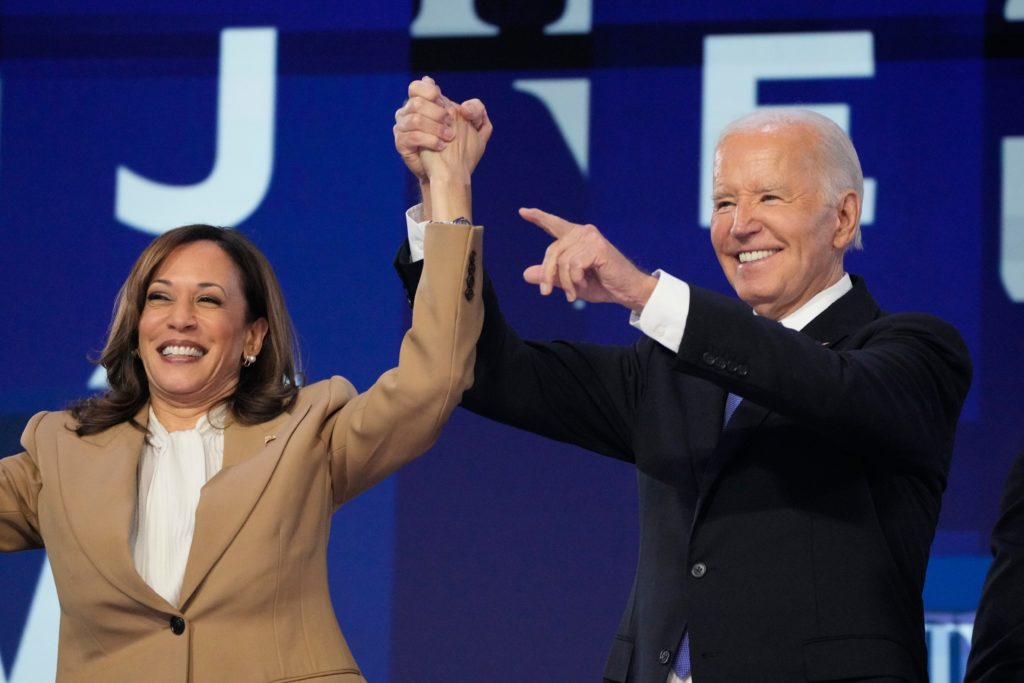
Furthermore, the post aptly points out the internal power dynamics within the Democratic Party. The elevation of Kamala Harris to the Vice Presidential candidacy, a decision made without the conventional primary contest that traditionally vets candidates for such high office, serves as a stark example. For a movement that champions “democracy” and “the people’s voice,” the acceptance of such a top-down appointment for a crucial national leader suggests a selective application of their democratic principles. If the people truly held the power, wouldn’t a candidate for such a significant role undergo a rigorous electoral challenge from within their own party?

This isn’t about challenging public health measures or the qualifications of an individual. It’s about consistency. The “No Kings” slogan, ostensibly a call for limited government and individual sovereignty, appears to be less about principle and more about partisan alignment. When the “king” in question shares their ideology, the crown seems far less objectionable. This selective outrage reveals a deeper desire not for an absence of power, but for power wielded by their preferred political figures. True adherence to the “No Kings” ideal would necessitate a consistent skepticism of governmental authority, regardless of who occupies the Oval Office. Until then, the charge of hypocrisy will, unfortunately, continue to resonate.